What is Sintra Board? Everything You Need to Know
If you have ever looked into materials for custom signs, printed displays, or promotional graphics, you may have come across Sintra board. But what makes it different from other rigid printing materials?
If you are deciding whether this board is suitable for your project, this guide will help you understand its material, benefits, common uses, and limitations.
What Is Sintra Board Made Of?
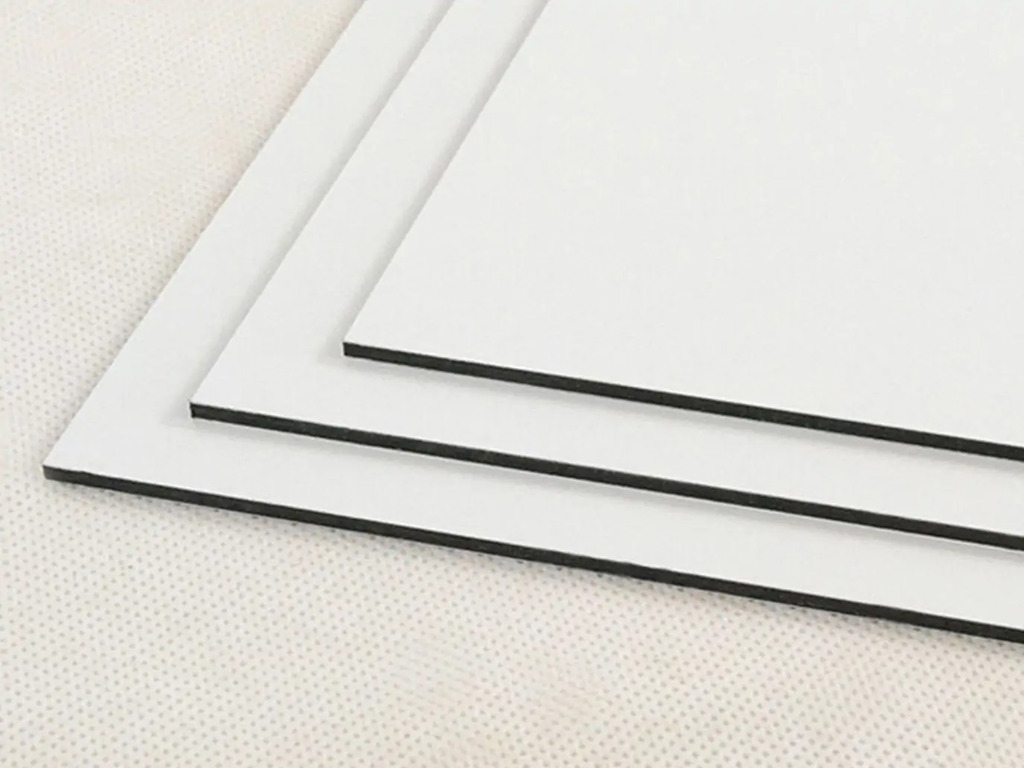
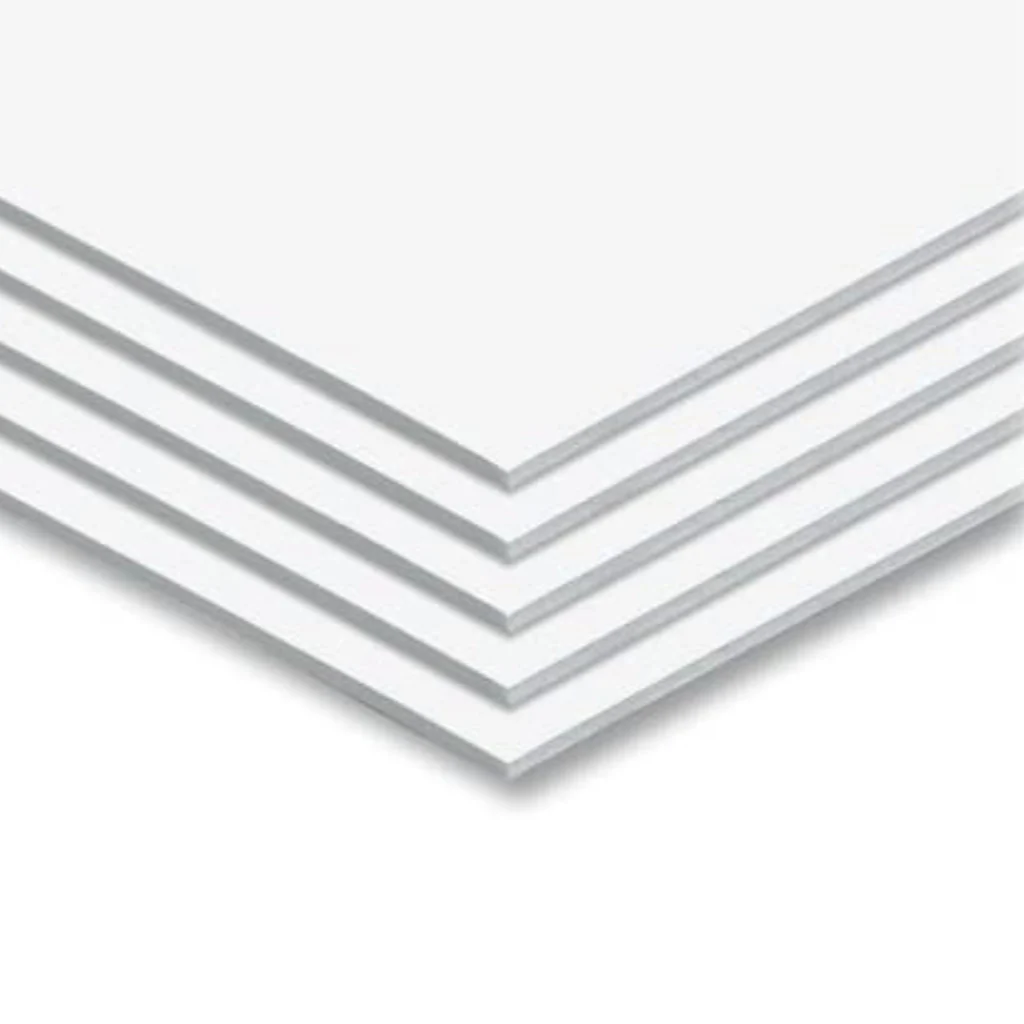
It is made from expanded closed-cell PVC and is manufactured as flat sheets with a smooth surface. Its expanded structure keeps the material lighter than solid PVC while giving it enough rigidity for many display and signage applications.
It is available in different thicknesses and colors. The appropriate thickness depends on how the finished board will be used, its size, and the level of rigidity required.
What Are the Benefits of Sintra Board?
Lightweight and Easy to Handle
It is easier to transport, install, cut, and reposition than many heavier rigid materials. This makes it particularly useful for temporary displays, event graphics, and large-format signage.
Smooth Surface for Printing
The flat surface provides a suitable base for printed graphics, logos, photographs, and promotional designs. It can produce a clean finish when the appropriate printing method is used.
Moisture Resistant
Unlike paper-based boards, expanded PVC does not readily absorb water. This makes it suitable for environments where the material may be exposed to moisture, although outdoor applications still require consideration of weather, installation, and expected lifespan.
Easy to Cut and Fabricate
It can be cut, drilled, routed, and shaped into different sizes and forms. This gives designers more flexibility when creating custom signs, panels, displays, and other visual materials.
What Is Sintra Board Used For?
The versatility of this board makes it useful across retail, advertising, events, offices, and other commercial environments. Common applications include:
Signage and Displays
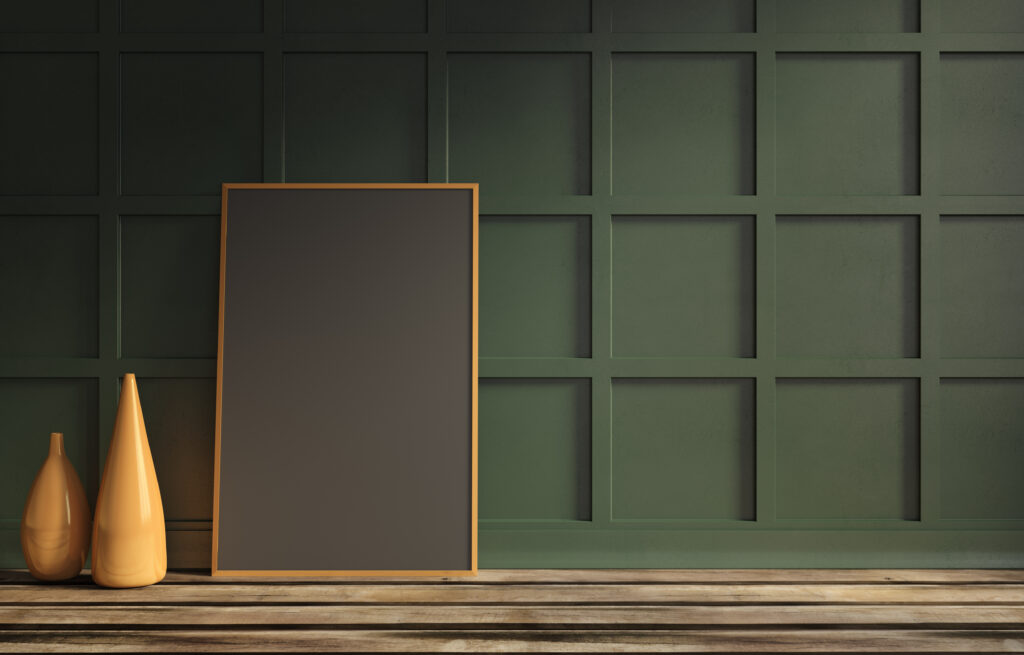
It is commonly used for indoor signs, promotional displays, storefront graphics, directional signs, and branded panels. Its rigid construction allows the finished graphic to maintain its shape without being as heavy as some alternative materials.
Businesses looking for custom signage in NYC can compare Sintra with other materials based on the location, design, and expected exposure.
Trade Show and Event Graphics
Its relatively low weight makes this board convenient for trade show panels, exhibition graphics, branded displays, and event signage that may need to be transported or installed repeatedly.
Retail Graphics
Retailers can use printed panels for promotional messages, product displays, wall-mounted graphics, and other branded elements.
Architectural and Decorative Applications
Because it can be fabricated into different shapes, it can also be used for architectural models, decorative panels, templates, and other design projects.
Photo and Graphic Mounting
Its firm, flat surface can be used to mount photographs, artwork, and printed graphics for offices, galleries, retail spaces, and events.
How Does Sintra Compare With Other Sign Materials?
| Material | Key Characteristics | Best Suited For |
|---|---|---|
| Sintra Board | Lightweight, rigid, moisture-resistant, and easy to cut and fabricate | Custom signs, displays, retail graphics, and promotional panels |
| Foam Board | Very lightweight but less durable and moisture-resistant | Short-term indoor displays and presentations |
| Dibond | More rigid and durable, with an aluminum composite structure | Demanding signage and long-term applications |
| Acrylic | Glossy, glass-like appearance with a more polished finish | Premium signs, displays, and projects where appearance is a priority |
How Can Sintra Board Be Customized?
It can be produced to suit the dimensions and design requirements of a project. It can be printed with graphics, cut into custom shapes, and prepared with suitable finishing or mounting options.
This makes it useful for branded signs, promotional displays, event graphics, retail panels, and other applications where a standard sheet may not meet the project’s requirements.
A professional printing company such as Triboro Printing can help you select the appropriate board thickness, size, printing method, and finishing options for your project.
Is Sintra Board Right for Your Project?
It is a practical choice when you need a rigid, lightweight surface for printed graphics, signs, or displays.
However, it is not ideal for every application. Projects requiring maximum structural strength, a premium glossy appearance, or extended exposure to demanding outdoor conditions may require a different material. Considering the intended use, installation environment, lifespan, and budget will help you choose the right option.
Conclusion
Choosing the right signage material comes down to where it will be used, how long it needs to last, and the finish you want to achieve. Sintra can be a suitable option for projects that require custom shapes, printed graphics, and easy installation without the weight of heavier materials.
If you are planning a custom signage or printing project, Triboro Printing can help you select a material and finishing approach that fits your requirements.