How to screen print multiple colors
Screen printing can produce bold, detailed designs using several colours, but each additional colour adds another stage to the production process. The artwork has to be separated correctly, each colour needs its own screen or printing setup, and the layers must line up accurately on the final product.
Whether you are preparing artwork for apparel, posters, or promotional products, understanding how multicolour screen printing works can help you create files that are easier to produce.
How Does Multicolor Screen Printing Work?
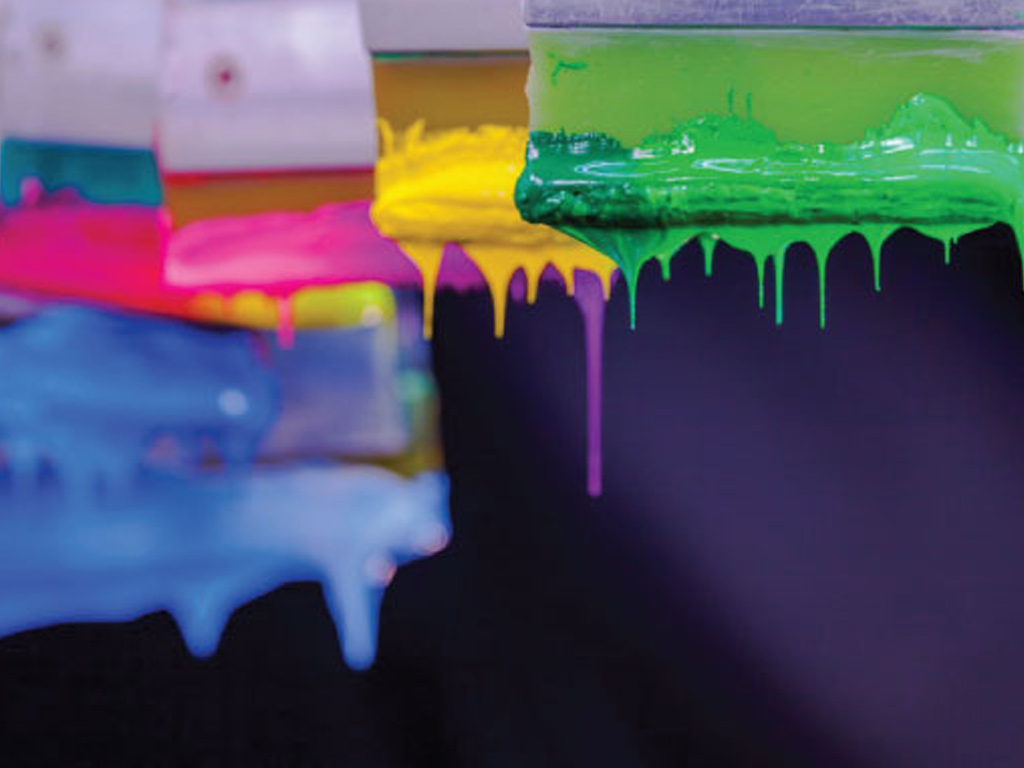
Unlike a single-colour design, a multicolour screen print is built from separate layers. Each layer represents a colour transferred independently.
For example, a design containing red, blue, black, and white may require separate separations for each colour. The printer then applies those colours one at a time, carefully aligning each layer to form the complete image.
The exact workflow depends on the artwork, number of colours, garment colour, and printing method.
Step 1: Prepare Your Artwork
Start with a high-quality digital file. Vector artwork is often useful for logos, illustrations, and designs made from solid shapes because you can edit and separate individual elements more easily.
Before production, check:
- Final print size
- Number of colours
- Background or garment colour
- Fine details
- Minimum line and text sizes
- Whether gradients or photographic elements are included
Reducing unnecessary colours can simplify production without changing the design’s overall appearance.
Step 2: Separate the Colours
Divide the artwork into individual colour layers. Each layer represents the area printed in a particular colour.
For example:
- Layer 1: Black
- Layer 2: Red
- Layer 3: Blue
- Layer 4: White
These separations are then used to create the corresponding screens.
Not every multicolour design requires the same type of separation. Simple artwork may use straightforward spot-colour separations, while photographs, gradients, and detailed illustrations may require techniques such as halftones or process colour.
Step 3: Create the Screens
Transfer each colour separation to a screen using an appropriate screen-making process. The screen contains open areas where the selected colour passes through and blocked areas where it does not.
A four-colour design may therefore require four screens, although the actual setup can vary depending on the printing method and artwork.
The screens must be prepared consistently so the different layers align accurately.
Step 4: Set Up the Printing Press
Position the screens on the press in the correct sequence. Registration marks or other alignment methods help ensure that each layer lands in the intended position.
Accurate registration is particularly important when the design contains:
- Fine outlines
- Small text
- Overlapping colours
- Detailed illustrations
- Multiple layers that meet at specific points
Even a small alignment error can make the finished design look blurred or uneven.
Step 5: Print the First Colour
Apply the first colour through its screen using a squeegee. The screen controls where the colour is deposited onto the garment or other substrate.
The item then moves through the appropriate drying or curing stage, depending on the printing system and materials used.
Step 6: Add the Remaining Colours
The next screen is aligned with the existing artwork and the second colour is applied.
This process continues until all colour layers have been printed.
For example:
- Base layer
- First colour
- Second colour
- Third colour
- Final detail or highlight layer
The exact order can change depending on the design and the substrate.
Step 7: Cure the Finished Print
Once all layers have been applied, the finished item needs to go through the appropriate curing process.
Curing helps the printed material achieve the properties required for durability and handling. The correct time and temperature depend on the specific inks, substrate, and production system.
A professional printer will follow the manufacturer’s specifications rather than relying on a single setting for every job.
What Are Halftone Separations?
Halftones let a printer reproduce different shades using patterns of small dots rather than treating every shade as a separate solid colour.
This can be useful for photographs, gradients, shadows, and artwork containing many tonal variations.
Halftones are therefore one technique used for complex colour reproduction, rather than a requirement for every multicolour screen print.
How Many Screens Do You Need for a Multicolor Design?
There is no fixed number because the setup depends on the artwork and production method.
A simple two-colour logo may require two screens. A more detailed design with six spot colours may require six. Designs using halftones or process-colour techniques can have a different setup altogether.
The colour count is therefore one factor that influences production time and cost.
What Affects the Cost of Multicolor Screen Printing?
Adding colours generally increases the preparation and production work involved.
Factors that can affect the final cost include:
- Number of colours
- Quantity of garments or products
- Number of print locations
- Artwork complexity
- Screen preparation
- Registration requirements
- Special effects or finishes
- Type of garment or substrate
For larger quantities, screen printing can be particularly practical because the setup work is spread across more finished pieces.
How Can You Get Better Multicolor Results?
Good artwork preparation can make a significant difference.
Keep Small Details Practical
Very fine lines and tiny text may not reproduce reliably, especially when several layers need to align.
Limit Unnecessary Colours
If one colour can represent two shades effectively, simplifying the artwork can reduce setup requirements.
Consider the Garment Colour
The base colour can affect the appearance of the design. Dark garments may require an additional base layer so the other colours appear as intended.
Check Registration
Ask for the artwork and production setup to be reviewed before the job begins. Accurate registration is essential when multiple layers need to meet precisely.
Choose the Right Separation Method
Solid-colour artwork, photographs, gradients, and illustrations may require different approaches. A printer can determine whether spot colours, halftones, or process-colour techniques are appropriate.
Multicolor Screen Printing vs. Digital Printing
Screen printing is not the only way to produce a full-colour design.
| Factor | Screen Printing | Digital Printing |
|---|---|---|
| Colour setup | Separate layers or colour processes | Artwork printed digitally |
| Large quantities | Often well suited | Depends on equipment |
| Solid colours | Strong option | Also possible |
| Photographic artwork | Requires specialised setup | Often straightforward |
| Setup requirements | More preparation | Generally less physical setup |
| Best choice | Depends on quantity and artwork | Depends on material, design, and quantity |
The most suitable method depends on the design, quantity, substrate, budget, and required finish.
Is Multicolor Screen Printing Right for Your Design?
Screen printing can be a good option when you want bold colours, consistent results, and a durable finish, particularly for larger runs of apparel or promotional products.
For highly detailed photographic artwork or very small quantities, another process may be more practical. A printer can review the artwork and recommend the most suitable production method.
Conclusion
Multicolour screen printing works by breaking artwork into separate colour layers and transferring those layers onto the chosen substrate one at a time. Each additional colour can require another screen, setup step, and printing pass, making accurate separation and registration essential.
Simple designs may use spot-colour separations, while photographs and complex artwork can require halftones or other colour-reproduction techniques. The right approach depends on the artwork and the finished product.
If you need custom apparel or promotional products, Triboro Printing can help prepare your artwork and determine the appropriate printing method for your project.
FAQs
A: Yes. Each colour is generally printed as a separate layer, with the screens aligned so that the complete design comes together on the finished product.
A: For traditional spot-colour screen printing, each separate colour normally requires its own screen. Other techniques, such as process colour or halftones, use different approaches to reproduce a wider range of tones.
A: It can cost more than a single-colour job because additional colours may require more screens, preparation, registration, and printing passes. The final price also depends on quantity, artwork complexity, and the type of product being printed.