How to fix cracked print on shirt
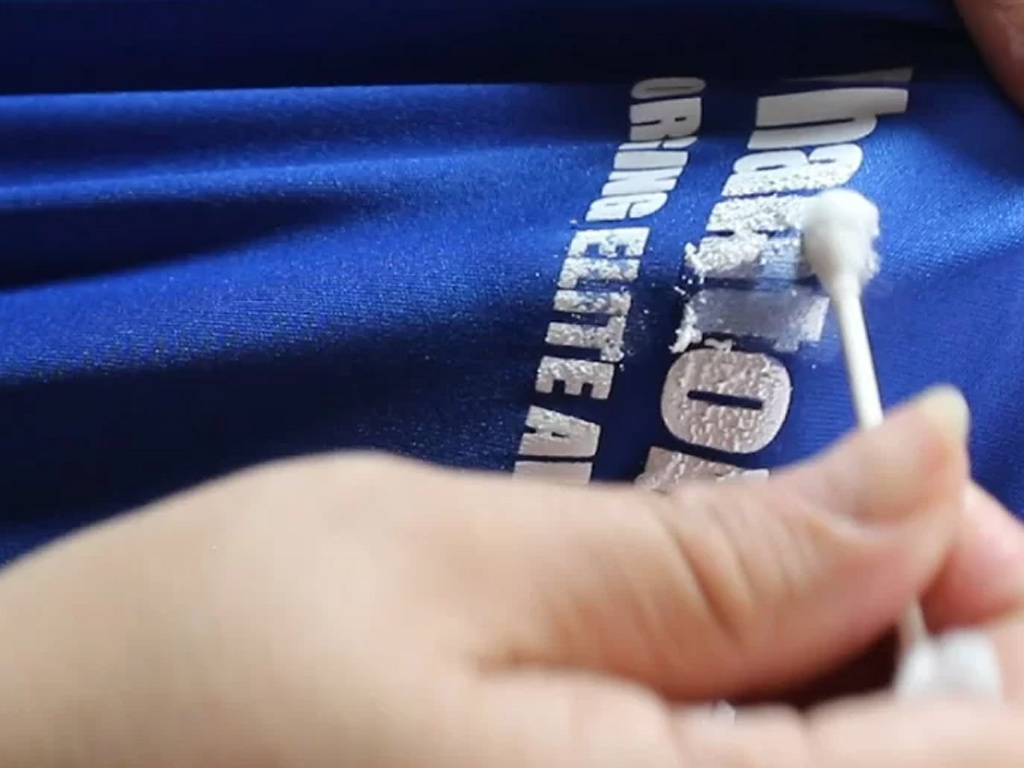
A cracked shirt print can make a favorite T-shirt look worn out even when the fabric itself is still in good condition. Cracking usually happens as the print ages and goes through repeated washing, drying, stretching, and everyday wear.
The good news is that small cracks do not always mean you need to throw the shirt away. Depending on the print type and condition, you may be able to improve its appearance at home or have the design professionally reprinted.
Why Does Shirt Printing Crack?
Printed designs can crack when the ink or transfer material loses flexibility over time. Several factors can contribute to this, including:
- Frequent washing and drying
- High heat from dryers or irons
- Stretching the fabric around the printed area
- Poor-quality printing or transfer materials
- Age and repeated wear
The type of printing method also matters. Some prints are more flexible and durable than others, while certain transfer materials can become brittle with age.
Can You Fix a Cracked Print on a Shirt?
No single repair method works for every type of print. If the cracks are small and the design is still firmly attached to the fabric, you may be able to improve its appearance. However, severely cracked or peeling prints are difficult to restore completely.
Before trying anything, check whether the design is screen printed, heat transferred, or made from another type of material. Avoid pulling or peeling the damaged areas, as this can make the problem worse.
How to Fix Small Cracks in a Shirt Print
For minor cracking, start gently.
Clean the Shirt
Wash the shirt according to its care instructions, then let it dry completely. Avoid high heat, as it can add stress to an already damaged print.
Check the Damaged Area
Look closely at the print. If the design only has fine surface cracks but remains securely attached, it may still have plenty of life left. If pieces are lifting from the fabric, avoid gluing them back without knowing what material was used.
Avoid Direct Heat
Do not place a hot iron directly over the printed design. High heat can damage some inks and transfers or cause them to stick to the iron.
If the shirt’s care instructions allow ironing, turn it inside out and use a low-heat setting. A protective cloth between the iron and fabric adds an extra layer of protection.
What If the Print Is Peeling?
Peeling is different from simple cracking. When sections of a design have started lifting away from the fabric, home repairs are unlikely to produce a clean, long-lasting result.
Do not pull off the remaining print. Removing it unevenly can damage the fabric and leave an obvious patch where the design used to be.
For an important shirt, consider taking it to a professional printer or apparel decorator. They can assess the garment and determine whether the design can be replaced or whether a new print would be a better option.
How to Prevent Shirt Prints From Cracking
The easiest way to deal with cracked prints is to reduce the wear that causes them in the first place.
- Follow the garment’s washing instructions.
- Turn printed shirts inside out before washing.
- Use a gentle wash cycle when appropriate.
- Avoid unnecessarily high temperatures.
- Do not iron directly over the printed design.
- Let the shirt air-dry when the care label allows it.
- Avoid stretching the printed area when putting on or removing the shirt.
These habits can help reduce stress on the print and keep the design looking better for longer.
When Should You Replace the Print?
If the design has extensive cracking, large sections are peeling, or the print has already lost significant detail, repairing it may not be worthwhile. A fresh print can provide a cleaner result without adding layers of adhesive or attempting to rebuild damaged artwork.
If you have several shirts or need a new design printed, professional screen printing may be more practical than repairing each garment individually.
Conclusion
Small cracks do not necessarily mean the end of a favorite printed shirt. Gentle washing, careful handling, and avoiding excessive heat can help prevent further damage. If the print is badly cracked or peeling, however, replacing the design is usually a better option than attempting a complicated repair at home.
If you need new designs printed on T-shirts for an event, business, team, or promotional campaign, Triboro Printing can help you explore the right printing option for your project.
FAQs
A: Avoid ironing directly over a cracked print. If the garment’s care instructions allow ironing, turn the shirt inside out and use a low-heat setting.
A: Minor surface cracking may be difficult to reverse completely. If the print is badly damaged or peeling, professional reprinting may provide a better result.