How To Remove Vinyl Decals From Car
Car decals can be useful for branding, advertising, or personalisation, but they may eventually need to come off. You might be replacing an old graphic, selling the vehicle, updating business branding, or simply changing its appearance.
Removing an adhesive graphic is usually straightforward when the material is in good condition. Older decals can be harder to remove because the film may become brittle and the adhesive may remain on the paint.
With the right tools and a careful approach, you can remove many decals without unnecessarily damaging the vehicle’s finish.
What Do You Need to Remove a Car Decal?
Before starting, gather:
- Hairdryer or heat gun with adjustable temperature
- Plastic scraper or plastic razor blade
- Microfiber cloths
- Automotive adhesive remover
- Car-wash soap
- Water
- Bucket
- Soft sponge or wash mitt
- Gloves
Avoid metal razor blades and other sharp tools that can scratch the paint.
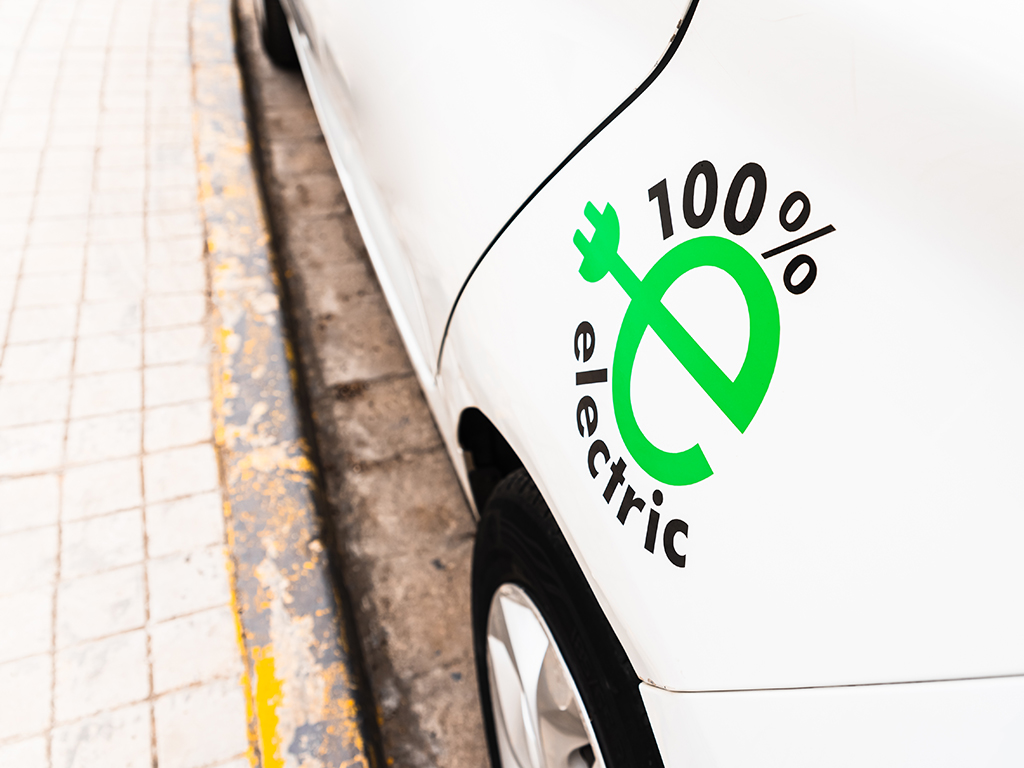
How to Remove Vinyl Decals From a Car
Step 1: Wash the Area
Start by cleaning the surface around the graphic with car-wash soap and water. Dirt and grit can scratch the paint while you work.
Rinse the area and allow it to dry completely before attempting removal.
If the vehicle was recently polished or waxed, make sure the surface is clean enough to work safely around the edges of the graphic.
Step 2: Warm the Decal
Use a hairdryer or a heat gun on a low setting to warm a small section of the graphic.
The purpose of the heat is to soften the adhesive and make the film more flexible. Keep the heat source moving rather than holding it in one spot.
Avoid excessive heat. Very high temperatures can affect paint, clear coats, trim, or other nearby components.
For an older vehicle or a surface with questionable paintwork, a hairdryer is generally easier to control than a high-powered heat gun.
Step 3: Lift a Corner
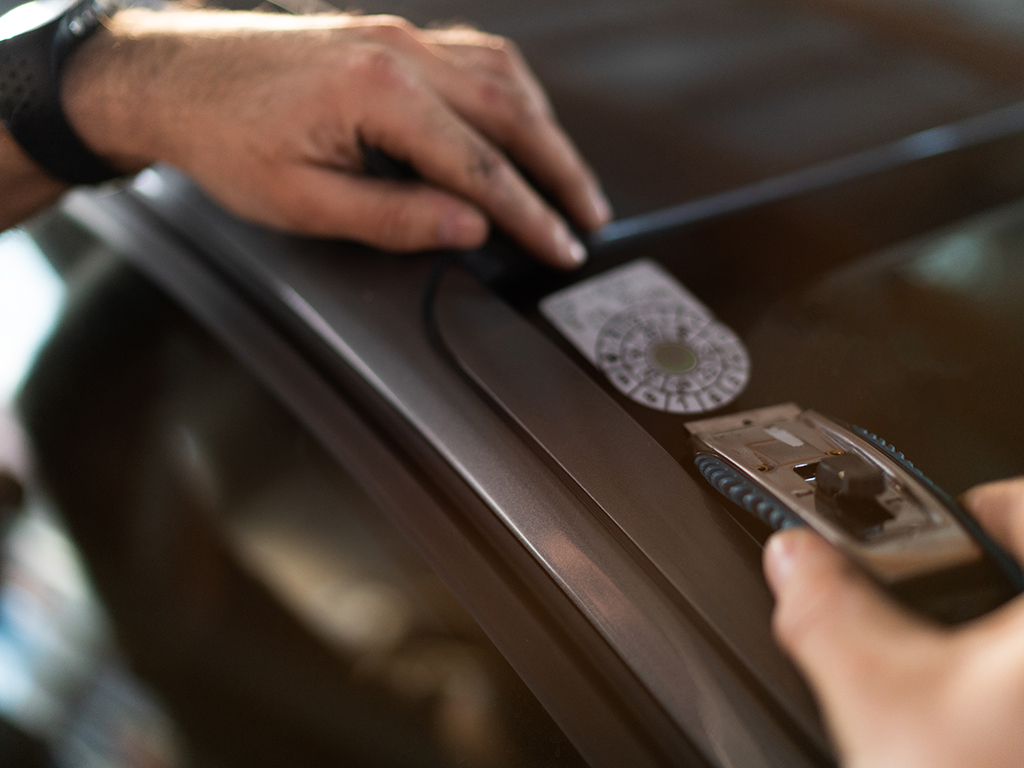
Once the adhesive has softened, try lifting one corner with your fingernail or a plastic scraper.
Work gently. If the film does not lift easily, warm the area again rather than forcing the scraper underneath it.
If the decal starts breaking into small pieces, work on smaller sections and continue applying controlled heat.
Step 4: Peel the Graphic Slowly
Pull the material back slowly at a relatively low angle rather than pulling it sharply away from the surface.
Work a small section at a time. If the adhesive begins to become difficult to release, stop and apply a little more controlled heat.
Large graphics may take longer because you are dealing with more surface area. Rushing the process can increase the chance of tearing the film or leaving more adhesive behind.
Step 5: Remove Adhesive Residue
After the graphic has been removed, inspect the surface for remaining adhesive.
Apply an automotive adhesive remover to a microfiber cloth rather than pouring the product directly onto the vehicle. Gently work on the residue and follow the product manufacturer’s instructions.
Always test the remover on a small, inconspicuous area first. Different paints, clear coats, wraps, plastics, and previously repaired surfaces can react differently to chemical products.
Do not assume that rubbing alcohol, household solvents, or general-purpose cleaners are safe for every automotive finish.
Step 6: Wash the Surface Again
Once you remove the adhesive, wash the area with car-wash soap and clean water.
This helps remove remaining residue and any product used during the removal process.
Dry the surface with a clean microfiber towel and inspect it in good lighting.

What If the Decal Leaves a Faded Area?
Sometimes the paint underneath an old graphic looks different from the surrounding surface even after the adhesive has been completely removed.
This doesn’t necessarily mean residue remains.
Paint exposed to sunlight can change over time, while the area beneath a decal may have had less UV exposure. As a result, an older graphic can leave a visible outline after removal.
In some cases, careful cleaning and paint-safe detailing may improve the appearance. If the difference is significant, you may need professional paint correction or refinishing.
Can You Remove Old or Cracked Decals?
Yes, but older graphics can require more patience.
Aged film may become brittle and break apart during removal. Instead of pulling off the entire decal at once, warm a small section and remove it gradually.
If the paint underneath is already peeling, damaged, or poorly bonded, removing the graphic can pull up loose paint. In that situation, professional advice is safer than forcing the material off.
Can You Remove Decals From Any Car Paint?
Not necessarily.
Factory-applied automotive paint in good condition can generally tolerate careful decal removal, but the risk is different for:
- Repainted panels
- Poorly cured paint
- Peeling clear coat
- Damaged surfaces
- Rusted areas
- Older or heavily weathered finishes
If you are unsure about the paint’s condition, test a small area first or have a professional remove the graphic.
What Should You Avoid When Removing Car Decals?
A few common mistakes can make the job harder or damage the vehicle.
Don’t Use Metal Blades
Metal blades can scratch the paint or clear coat. Use a plastic scraper designed for automotive surfaces instead.
Don’t Overheat the Surface
More heat does not necessarily mean easier removal. Excessive heat can damage paint, trim, plastics, or other components.
Don’t Pull Too Aggressively
Forcing a stubborn graphic can tear the film or remove compromised paint. Warm the area and work gradually instead.
Don’t Use an Unverified Solvent
Household chemicals are not automatically safe for automotive finishes. Use a product intended for automotive adhesive removal and follow its instructions.
Don’t Skip the Test Area
Testing your removal product and technique in a discreet area can help identify potential problems before you work across the entire vehicle.
Should You Wax the Car After Removing a Decal?
You can consider waxing or applying another paint-protection product after the area has been thoroughly cleaned and the surface is suitable.
However, waxing is not a substitute for removing adhesive or correcting paint differences. If the vehicle needs polishing or paint correction, complete those steps according to the chosen detailing process before applying protection.
When Should You Hire a Professional?
DIY removal may be reasonable for a small, recently applied graphic on healthy factory paint.
Professional removal can make more sense when:
- The graphic covers a large area
- The film is old and brittle
- The vehicle has delicate or damaged paint
- Adhesive is heavily bonded
- The graphic has been installed for many years
- You are removing fleet branding from several vehicles
- The vehicle is being prepared for sale
A professional can also assess the paint and determine whether the visible area beneath the old graphic is likely to require additional detailing.
Conclusion
Removing a car decal does not have to be complicated, but patience matters. Clean the surface first, use controlled heat to soften the adhesive, peel the graphic gradually, and use an automotive-safe adhesive remover for any remaining residue.
The condition of the vehicle’s paint and the age of the graphic can make a significant difference. If the film is large, brittle, heavily bonded, or installed on damaged paint, professional removal can help reduce the risk of surface damage.
If you’re replacing old vehicle graphics with new branding, Triboro Printing offers truck lettering and vehicle graphic services in NYC to help businesses update their fleet graphics.