
Why Should You Include Professional Print in Your Omnichannel Marketing Strategy?
In an era where digital channels dominate conversations, many marketers wonder if traditional print still has a place. The answer depends on how you use it. Professional print can complement digital channels by giving customers a physical way to interact with a brand.
When you plan print alongside email, social media, websites, and other digital touchpoints, it can help create a more consistent customer experience. From direct mail and brochures to packaging and promotional materials, printed pieces can support the same message customers encounter online.
This article explores how professional print can fit into an omnichannel marketing strategy and what businesses should consider when combining physical and digital channels.
What Is Omnichannel Marketing and Why Does It Need Print?
Omnichannel marketing focuses on creating a connected customer experience across different touchpoints, both online and offline. Instead of treating each channel as a separate campaign, businesses coordinate messaging, branding, and the customer journey across platforms.
Digital channels provide speed, convenience, and broad reach. Print adds a physical touchpoint customers can hold, keep, share, or use to continue interacting with a brand online.
For example, a printed postcard could include a QR code that takes customers to a landing page, while a brochure could direct them to a website for additional information. In this way, print can become one part of a connected customer journey rather than a standalone marketing activity.
How Has Omnichannel Marketing Evolved?
Marketing has shifted from separate, channel-specific campaigns to more connected customer journeys. People may discover a business through social media, visit its website, receive a promotional email, and later interact with a printed piece.
This makes consistency important. Brand colours, messaging, offers, and calls to action should work together across different touchpoints.
Print can support this approach by extending a digital campaign into the physical environment and giving customers another way to interact with the same brand.
Why Does Professional Print Still Matter in a Digital-First World?
Digital marketing offers convenience and reach, but physical materials can provide a different type of interaction. A printed brochure, postcard, catalogue, or direct-mail piece gives customers something tangible to examine and keep.
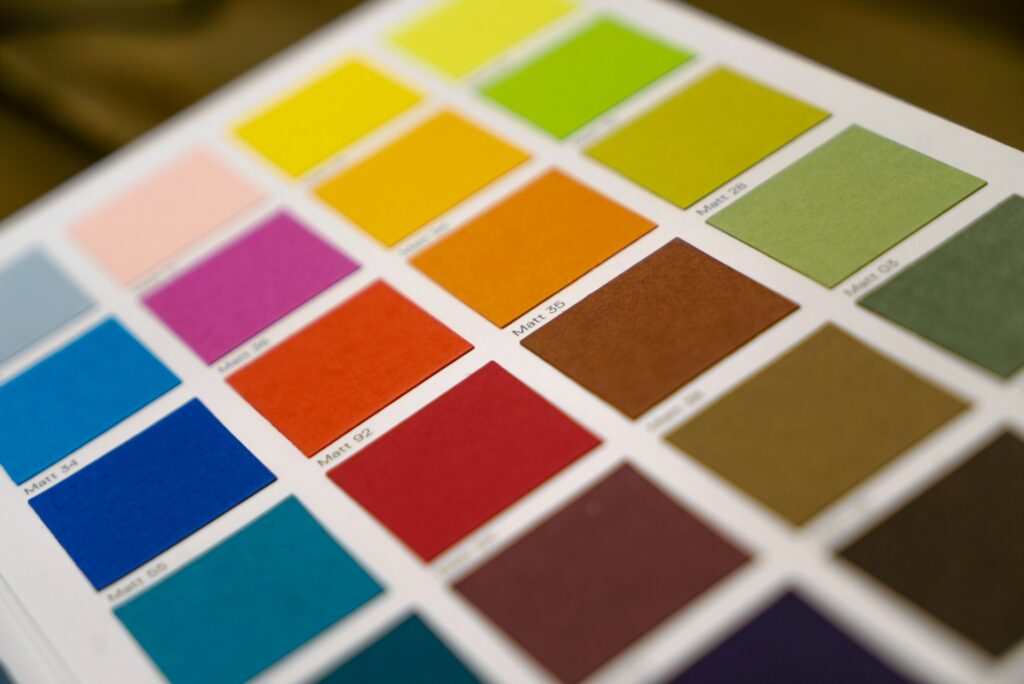
Professional production can also help maintain consistent branding through paper selection, colour reproduction, finishing, and layout. These details matter when a printed piece is part of a broader brand experience.
Print is not automatically more effective than digital marketing. Its value depends on factors such as the audience, campaign objective, design, distribution, and how well it connects with other channels.
How Does Print Enhance Customer Engagement?
Print can encourage customers to take a digital action when it includes a clear next step.
For example, a postcard might include:
- A QR code leading to a product page
- A unique promotional code
- A personalised URL
- An event registration link
- A social media call to action
This creates a simple connection between the physical piece and the digital experience. Instead of ending when the customer puts the brochure or postcard down, the interaction can continue online.
Why Can Print Support Brand Trust and Loyalty?
A consistent brand experience across channels can make it easier for customers to recognise and understand a business. Print can contribute to that consistency when its design, messaging, and visual identity match the company’s digital presence.
The physical format also gives customers another way to interact with a brand. Whether it is a direct-mail piece, product packaging, or a brochure, the quality of the finished material can influence how the overall brand experience is perceived.
However, print alone does not create trust or loyalty. Those outcomes depend on the wider customer experience, including product or service quality and how consistently the brand delivers on its promises.
What Are the Strategic Benefits of Professional Print in Omnichannel Marketing?
When planned as part of a wider marketing strategy, professional print can offer several useful advantages:
- Tactile Experience: Physical materials give customers a way to interact with a brand away from a screen.
- Personalisation: Variable data printing lets businesses customise names, offers, images, or other elements for different recipients.
- Cross-Channel Connections: QR codes, URLs, and promotional codes can connect printed materials with websites, landing pages, and other digital experiences.
- Brand Consistency: Professionally produced materials can reinforce the same visual identity and messaging used across digital channels.
- Targeted Distribution: Direct mail and other printed campaigns can be targeted according to location, customer segments, mailing lists, or campaign objectives.
- Longer Physical Presence: Brochures, catalogues, packaging, and other materials can remain available after a customer has finished viewing a digital advertisement.
- Flexible Formats: Businesses can choose from different formats, paper stocks, sizes, and finishing options based on the campaign’s purpose.
- Measurable Actions: Unique QR codes, URLs, and promotional codes can help marketers track specific interactions generated by a printed campaign.
Conclusion
Professional print does not have to compete with digital marketing. When used thoughtfully, it can complement online channels and give customers another way to interact with a brand.
The most effective approach depends on the campaign’s goals, audience, budget, and customer journey. A printed piece becomes more useful when it has a clear purpose and connects naturally with the digital channels customers already use.
If you’re planning an omnichannel campaign, Triboro Printing can help with professional print solutions for NYC businesses, from business materials and direct mail to brochures and other marketing collateral. The right format, paper, finishing, and production approach can help your printed materials work alongside the rest of your marketing strategy.