
Offset vs Digital Printing: Key Differences Explained
Choosing how to print something is not always as simple as picking the first option available. The quantity you need, how quickly you need it, the type of paper you want, and even whether each piece needs to be different can all affect the decision.
Two of the most common options are offset and digital printing. Both can produce professional results, but they work in different ways and suit different projects. Understanding the difference between these two can make it much easier to decide which process makes sense for your next job.
What is Offset Printing?
This is a traditional commercial printing process. Instead of pasting directly onto paper from a digital file, the artwork is transferred to printing plates. The image then moves from the plate to a rubber blanket and finally onto the paper.
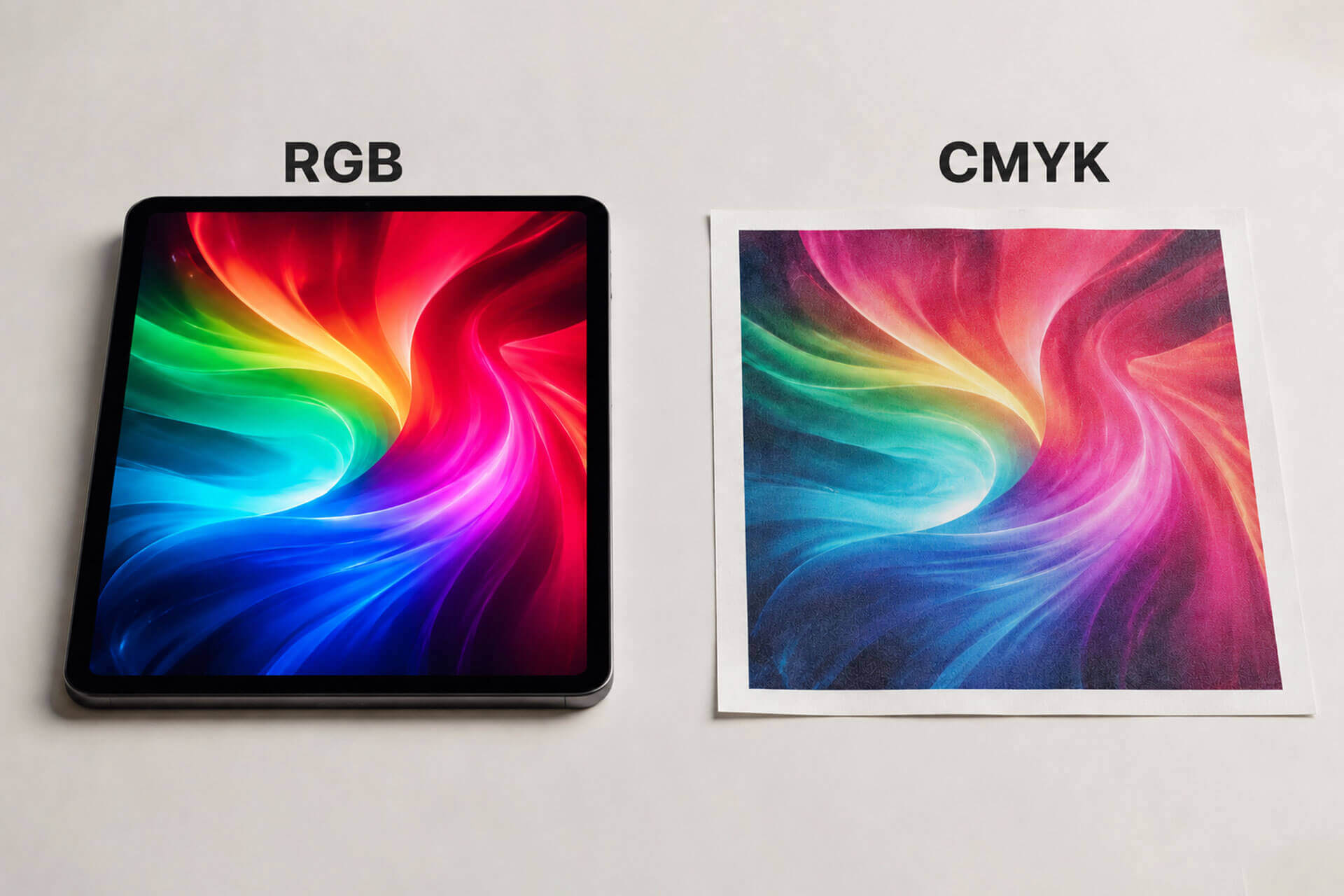
The process typically uses four ink colors: cyan, magenta, yellow, and black, or CMYK. Because plates have to be prepared and the press needs to be set up before the process begins, offset involves more preparation at the start.
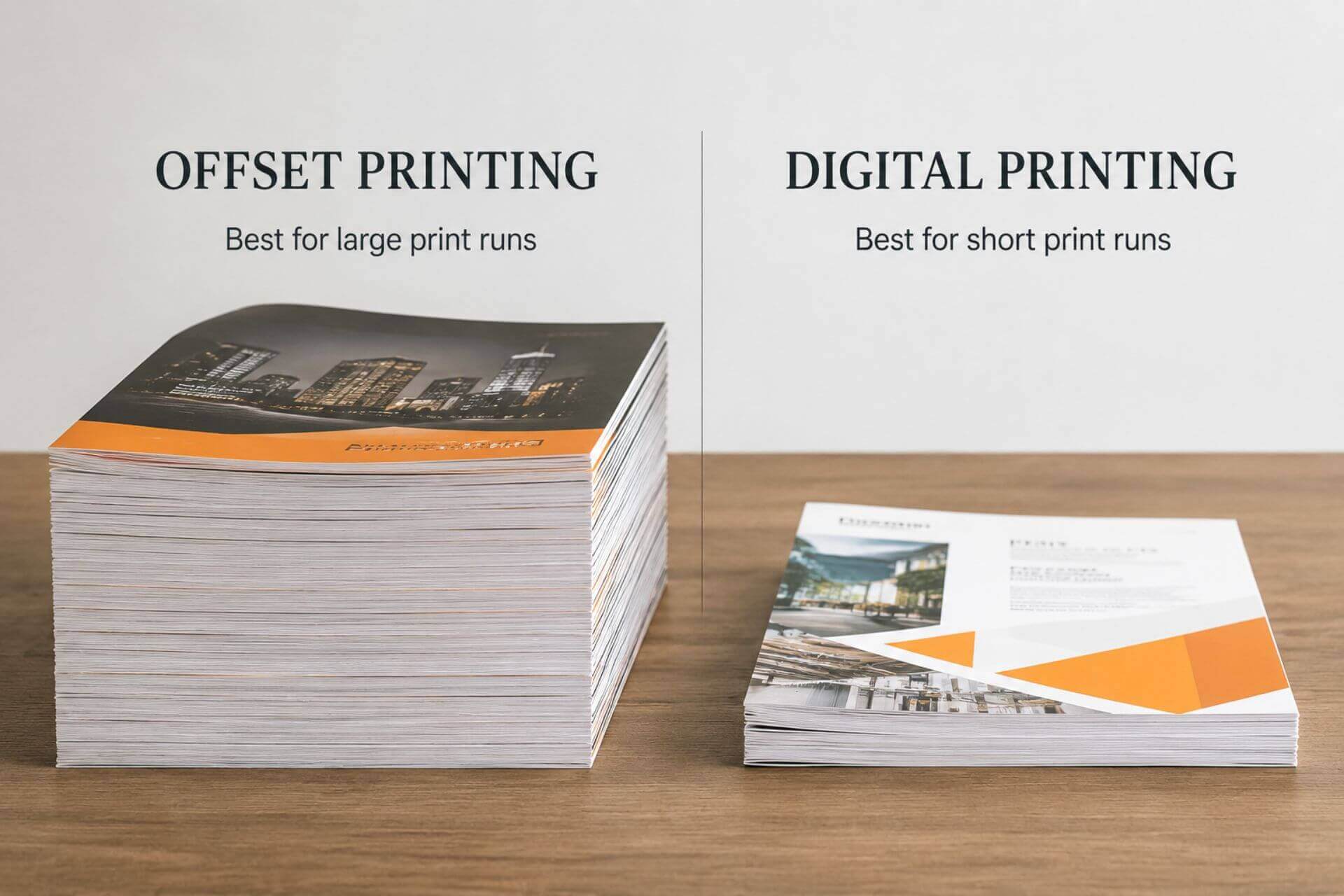
That extra setup becomes worthwhile when you are producing a large quantity. Once the press is running, it can produce thousands of consistent copies efficiently. Offset can also accommodate a wide range of paper stocks and finishing options, making it a popular choice for many commercial projects.
What Is Digital Printing?
This one takes a more direct approach. Your artwork is sent from a digital file to the printing equipment, which uses toner or ink to reproduce it without traditional printing plates.
With less setup involved, digital printing works particularly well for smaller quantities and projects with tight deadlines. You can also print close to the exact quantity you need instead of ordering a large batch.
Another useful advantage is personalization. Digital technology can support variable data printing, meaning individual pieces in the same order can have different names, images, codes, or other information.
Offset vs Digital Printing: What’s the Real Difference?
| Difference | Offset | Digital |
|---|---|---|
| Quantity | Large | Small |
| Setup | Complex | Simple |
| Turnaround | Slower | Faster |
| Personalization | Limited | Flexible |
| Color Consistency | Consistent | Accurate |
Is Offset Better Than Digital?
Offset can be a great choice when you are printing a large quantity and want consistent results across the entire run. It can also be useful when you need particular paper stocks, specialty inks, or certain finishing options.
Think about what matters most for your project rather than trying to find one printing method that is always better.
When Is Offset Cheaper Than Digital?
Offset usually has higher upfront costs because of plate preparation and press setup. However, those costs are spread across the entire order. As the quantity increases, the cost per printed piece can come down significantly.
For that reason, a large order of identical brochures, catalogs, business cards, or other materials may be more economical with offset. For a smaller batch, digital may be the more practical option because you are not paying for as much initial setup.
The best way to compare costs is to look at the total price of the job, including paper, printing, finishing, and quantity, rather than focusing only on the price of one copy.
Offset Printing Benefits
- Cost efficiency for high-volume orders
- Consistent color and image reproduction
- A broad selection of paper stocks
- Various finishing and specialty options
- Efficient production of large quantities
Digital Printing Benefits
- Less setup before production
- Faster turnaround for many short run jobs
- Cost-effective production in smaller quantities
- Personalisation and variable data capabilities
- The option to print only the quantity currently needed
What Is the Best Printing Method for Business?
There is no single best publishing method for business, because businesses often have very different printing needs. A company might choose digital for a small promotional campaign and use offset for thousands of brochures later in the year.
Before making a decision, consider how many copies you need, how soon you need them, what type of paper you want, whether personalisation is involved, and what finishing the project requires.
If you are ordering a large quantity of identical materials, offset may provide better long-run value. If you need a smaller order quickly or want to personalise each piece, digital may be the better fit.
Choosing Between Offset and Digital
Offset is often the stronger option for high-volume projects where consistency and long-run efficiency matter. Digital offers the flexibility that smaller, faster, and personalized jobs often require.
If you are unsure which route to take, Triboro Printers can help you compare the options based on your quantity, deadline, materials, and finishing requirements. Getting the process right from the beginning can help you avoid unnecessary costs and ensure the finished print meets your expectations.

Post a Comment