
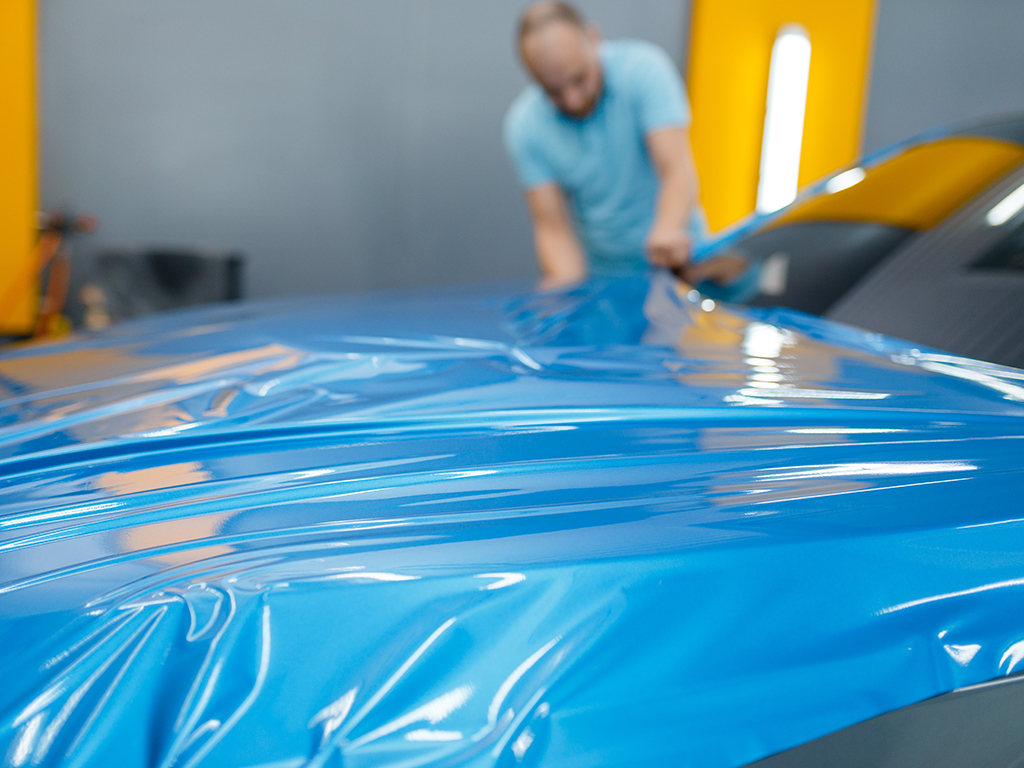
How To Apply Vinyl Decal To Car
Adding a decal to your vehicle is a simple way to display a graphic, promote a business, or give your car a more personalised look. The result depends largely on preparation and application. A clean surface, careful positioning, and steady pressure can make the difference between a smooth finish and one with bubbles or lifted edges.
This guide explains how to apply an adhesive graphic to a car and how to avoid common mistakes during the process.
What Is a Vinyl Decal?
A vinyl decal is a cut or printed graphic made from adhesive-backed material. You can use it for personal designs, logos, lettering, racing graphics, and business branding.
Automotive-grade products are designed to withstand outdoor conditions, although their durability depends on the material, adhesive, exposure, and surface where they are installed.
What You’ll Need
Gather everything before starting:
- Decal with transfer tape, if applicable
- Isopropyl alcohol or a suitable automotive surface cleaner
- Microfiber cloth
- Squeegee or plastic application card
- Masking tape
- Measuring tape or ruler
- Scissors or a craft knife, if trimming is required
Avoid working in direct sunlight or extreme temperatures. A clean, shaded area with moderate conditions makes application easier.
Step 1: Clean the Surface
Wash the area thoroughly to remove dirt and dust. Pay particular attention to grease, wax, polish, and other residues that can interfere with adhesion.
Once the surface is clean, wipe it with isopropyl alcohol where appropriate and let it dry completely. Avoid applying the graphic over rust, peeling paint, deep scratches, or loose surface coatings.
Step 2: Position the Decal
Before removing any backing, hold the design against the vehicle and decide exactly where it should go.
Use a measuring tape or ruler to check alignment. Once you are happy with the position, place small pieces of masking tape around the edges to create temporary guides.
Step back and check the placement from different angles. It is much easier to correct the position before the adhesive touches the surface.
Step 3: Prepare the Transfer Tape
If the design comes with transfer tape, press a squeegee firmly over the tape before installation. This helps keep individual letters or graphic elements attached when you remove the backing.
Turn the decal over and carefully peel away the backing paper, keeping the design attached to the transfer tape.
Try not to touch the exposed adhesive with your fingers.
Step 4: Apply the Graphic
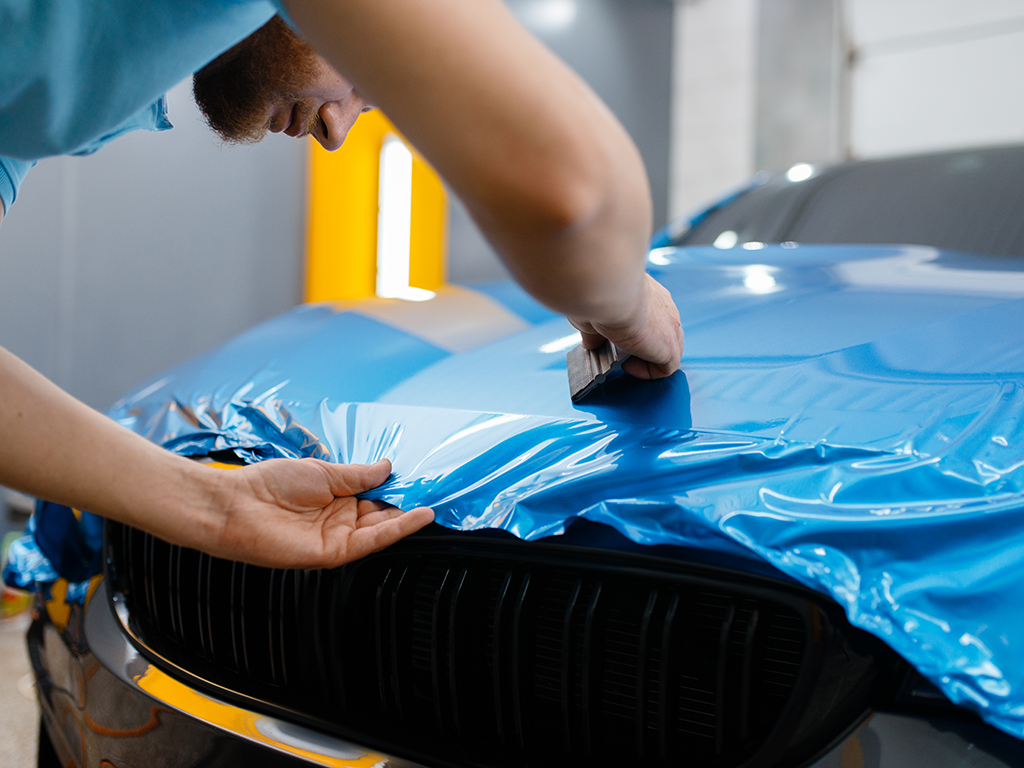
Align the edge with your masking-tape guides and begin lowering the material onto the vehicle.
For larger designs, work gradually rather than pressing everything down at once. Use the squeegee to apply firm, even strokes from the centre toward the outer edges.
This helps push out trapped air and reduces the chance of wrinkles or bubbles.
Step 5: Smooth Out Air Bubbles
Inspect the surface as you work. You can sometimes push small bubbles toward an edge with the squeegee before the adhesive fully settles.
Do not aggressively stretch the material to correct poor positioning. If a section has not bonded properly, carefully lift it and reposition it rather than forcing it into place.
Step 6: Remove the Transfer Tape
Once the graphic is firmly attached, slowly peel the transfer tape away at a low angle.
Work gradually and watch the design as you pull. If a letter or section starts lifting with the tape, stop, lower it back onto the surface, and press it down again before continuing.
For larger graphics, taking your time at this stage can prevent unnecessary lifting.
Step 7: Check the Finished Application
Run the squeegee gently over the edges and inspect the entire design for bubbles, wrinkles, or areas that have not adhered properly.
Give the adhesive time to set according to the manufacturer’s instructions. Avoid washing or putting unnecessary pressure on the newly applied graphic until it has had sufficient time to bond.
Common Mistakes to Avoid
A few simple mistakes can affect the final result:
- Applying the graphic to a dirty or waxed surface
- Skipping the alignment check
- Touching the exposed adhesive
- Rushing the application
- Pressing the entire design down at once
- Pulling the transfer tape too quickly
- Applying it over damaged or peeling paint
- Washing the vehicle immediately after installation
How Long Do Car Decals Last?
There is no single lifespan for every vehicle graphic. Durability depends on the material, adhesive, installation quality, exposure to sunlight and weather, vehicle washing, and the condition of the surface.
Products intended for automotive use generally provide better outdoor performance than materials designed for short-term indoor applications. Always check the manufacturer’s specifications when longevity is important.
Can You Apply a Decal to Any Part of a Car?
Not necessarily. Smooth, clean painted surfaces are generally easier to work with than textured or heavily curved areas. Seams, deep recesses, rough surfaces, damaged paint, and areas exposed to excessive heat can make installation more difficult.
For complex vehicle graphics, professional installation can help achieve consistent alignment and adhesion.
Conclusion
Applying a decal yourself is possible with the right preparation and a little patience. Cleaning the surface, checking the position, working gradually, and using even pressure will help create a smoother finish.
For larger vehicle graphics, lettering, or business branding, professional application can be a practical option when precise alignment and a clean finish matter.
If you need custom vehicle graphics, Triboro Printing offers truck lettering and other custom printing solutions for businesses and personal projects.
FAQs
A: Some simple adhesive designs may not require transfer tape, particularly if they are supplied as a single piece. Designs made from multiple letters or separate elements usually benefit from transfer tape because it keeps everything aligned during application.
A: It is best to wait until the paint has fully cured, per the paint manufacturer’s recommendations. Applying adhesive too soon can interfere with the curing process or make later removal more difficult.