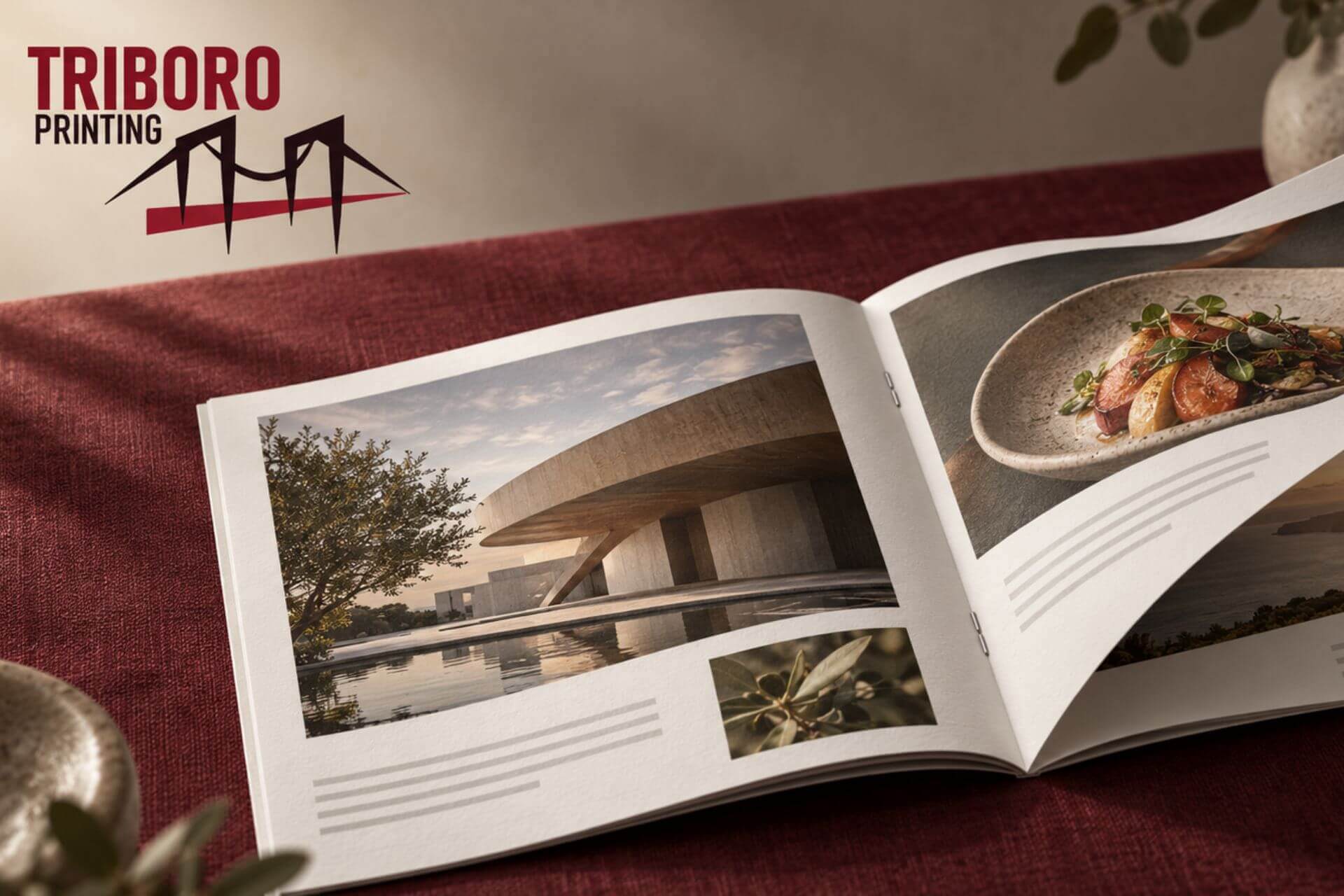
Booklet Printing That Brings Every Page to Life
Need booklet printing that looks professional and keeps readers interested from the first page to the last? A booklet gives you more room than a flyer, but you need to use that extra space wisely. From the cover and page layout to images, paper, and binding, every detail can affect how your booklet looks and feels.
Whether you are creating a product guide, company profile, event program, menu, or promotional booklet, the goal is the same: make every page worth reading.
So, how do you create a booklet that feels polished without overwhelming your audience? Start with these practical tips.
Start With One Clear Goal
Before designing your booklet, decide what you want it to achieve. Once you know the purpose, plan the content around it. It flow naturally, with each section leading smoothly into the next.
A strong one usually has:
- One clear purpose
- A defined target audience
- Organized sections
- Consistent branding
- Useful information on every page
This makes booklet printing more than just putting several pages together. The finished piece should guide readers through the information without making them work to understand it.
Create a Cover That Gets Attention
The cover is the first impression, so it deserves careful attention.
Use a clear title, strong visual, and relevant branding to tell readers what they can expect inside. You do not need to fill the cover with information. Instead, choose a few elements that immediately communicate the booklet’s purpose.
Keep the design clean; the cover should invite people to open it rather than explain everything before they do.
Give Every Page a Purpose
One of the biggest advantages of booklet printing is having multiple pages to work with. However, more space does not mean you need more words.
Each page should contribute something useful. Break larger topics into sections and give readers enough breathing room between different pieces of information.
You can use pages for:
- Product descriptions
- Service details
- Company information
- Images and case studies
- Instructions or guides
- Offers and promotions
- Contact information
Use Images That Support the Content
Visuals should support the content rather than compete with it. Choose images that are relevant to the page and make sure they are high enough quality for print.
For product focused booklets, for example, use clear images alongside important specifications. For a company profile, photographs can help readers understand your team, workspace, products, or work.
Also, avoid using too many images simply because you have the space. A carefully placed photograph can have more impact than several crowded together.
Keep the Layout Consistent
A good booklet should feel like one complete piece, not a collection of unrelated pages.
Use consistent fonts, headings, spacing, image styles, and branding throughout the design. This makes the booklet easier to navigate and gives it a more professional appearance.
At the same time, do not make every page identical. You can vary layouts while keeping the same visual language.
Choose the Right Paper
Paper has a direct effect on the way your booklet feels in the reader’s hands. The best choice depends on where and how you plan to use it.
Glossy or coated paper can make photographs and colors stand out, while matte paper can provide a softer finish and reduce glare.
Before choosing a stock, consider:
- How it will be used
- How frequently it will be handled
- Whether photography is important
- The impression you want to create
- Your available budget
A professional printer can also help you select a suitable paper weight and finish for your project.
Make Information Easy to Find
Use headings, subheadings, short paragraphs, lists, captions, and other visual cues to break up longer sections. Important information such as prices, specifications, dates, or contact details should be easy to spot.
You should also consider the order of the content. Start with information that introduces the subject, then move into supporting details before ending with the information or action you want readers to remember.
A clear structure keeps the reader moving through it naturally.
Check Your File Before Printing
Before sending your design for booklet printing, check the complete file from beginning to end:
- Final document size
- Image resolution
- Colours
- Fonts
- Margins
- Spelling
- Contact details
- Bleed and trim areas
A print-ready PDF is commonly used for professional printing, but always check your printer’s specific file requirements before submitting the final artwork.
Should You Use Catalog Printing?
If your booklet is designed to showcase a large range of products, catalog printing may be the right format for your project.
Catalogs give customers space to browse products, compare options, review specifications, and explore different categories. They can be particularly useful for retailers, manufacturers, designers, and businesses with extensive product ranges.
The same design principles still apply. Keep product information organized, use consistent layouts, and make it easy for readers to move between sections.
Is Saddle Stitching Right for Your Booklet?
For shorter multi-page projects, a saddle stitch booklet is a practical and professional binding option. The printed sheets are folded, placed together, and secured with staples along the fold.
This format is commonly suitable for:
- Short catalogs
- Event programs
- Product guides
- Company brochures
- Promotional booklets
One important detail is page count. Saddle-stitched booklets generally use page counts in multiples of four because each folded sheet creates four pages. Common formats include 8, 12, 16, and 20 pages.
Design for Your Audience
It should answer the questions your audience actually has.
Think about who will read it, where they will use it, and what information they are looking for. A product guide may need clear specifications and comparisons, while a company profile may focus more on services, experience, and brand story.
Do not assume readers want every detail you have. Give them the information that helps them understand your offer or make a decision. Good booklet printing starts with good content planning.
Choose the Right Printing Partner
Once your design is ready, the printing process can make a noticeable difference. Paper quality, color accuracy, finishing, trimming, and production standards all affect the final result.
Triboro Printing provides printing services for booklets, flyers, brochures, catalogs, and other business materials from its Astoria, NYC location. Working with a professional printer can help you select suitable paper, finishing, and binding options for your project.
Whether you need a short promotional booklet or a detailed product guide, clear specifications and careful preparation can help you get better results from your booklet printing project.
FAQs
A: It depends on how much information you need to communicate. A flyer works well for a short message, while booklet printing gives you several pages to explain products, services, or other detailed information.