What is Silk Screen Printing? A Complete Guide to Its Process & History
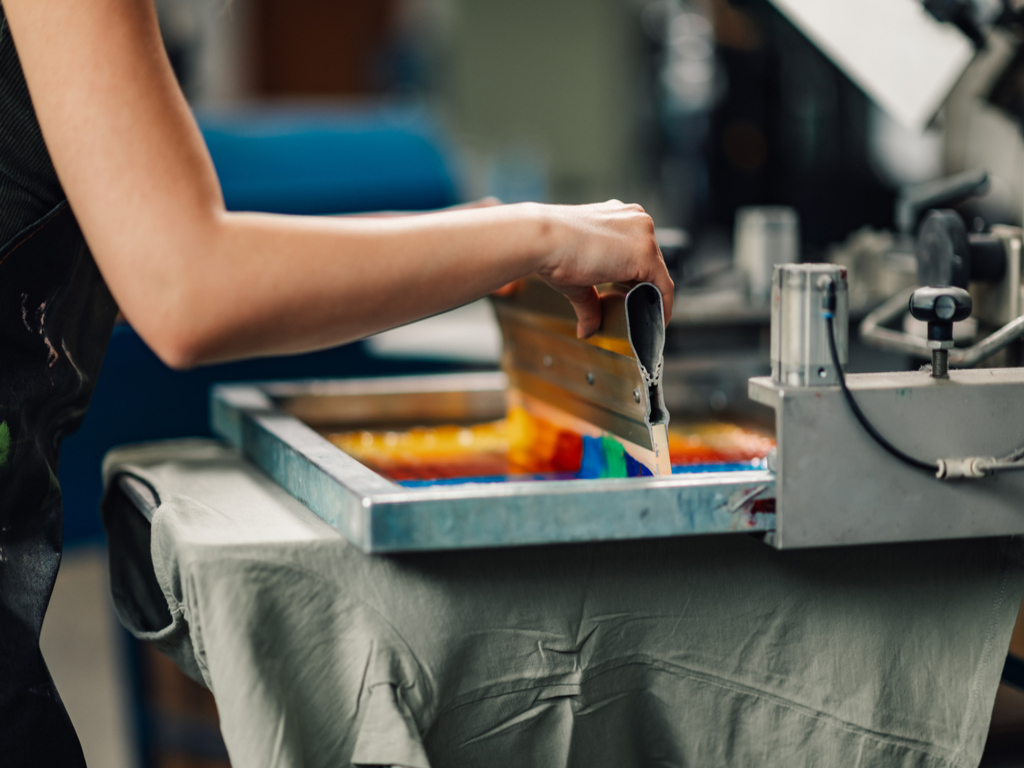
Silk screen printing, also called screen printing or serigraphy, is a printing method that pushes ink through a mesh screen onto a surface. A stencil blocks certain areas of the screen while leaving the parts of the design open, allowing ink to pass through and create the printed image.
The technique is especially popular for apparel, promotional products, posters, and other projects that need bold, durable designs. Although modern screen printing uses synthetic mesh rather than silk in most cases, the name has remained.
A Brief History of Silk Screen Printing
Screen printing has roots in East Asia, where early stencil-based printing decorated fabrics and other materials. Japan later developed sophisticated stencil techniques that influenced modern screen printing.
The process became more widely used commercially in the 20th century as improvements in screen materials and photosensitive emulsions made it easier to reproduce detailed designs.
Artists also helped establish screen printing as a recognized fine-art technique. In the 1960s, artists such as Andy Warhol used the process extensively, bringing screen printing into mainstream pop art.
Today, the method remains relevant across commercial printing, apparel, advertising, and art.

How Does Silk Screen Printing Work?
Prepare the Design
Prepare the artwork based on the material, print size, and number of colors required. A separate screen is generally needed for each color in a multi-color design.
Prepare the Screen
Coat a mesh screen with a light-sensitive emulsion. Place the artwork against the coated screen and expose it to light. The exposed emulsion hardens, while the areas protected by the artwork can be washed out to create the stencil.
Set Up the Printing Surface
Position the prepared screen over the item being printed. Proper alignment matters, especially when the design uses multiple colors.
Apply the Ink
Place ink on the screen and pull it across with a squeegee. Pressure pushes the ink through the open areas of the stencil and onto the printing surface.
Cure the Print
Dry or cure the printed item using the appropriate method for the ink and material. Proper curing helps the design adhere to the surface and withstand normal handling and use.
What Can Be Screen Printed?
One reason screen printing remains popular is its flexibility. Depending on the ink and equipment, you can use it on a range of materials.
Common applications include:
- T-shirts, hoodies, and other apparel
- Uniforms and workwear
- Posters and promotional prints
- Tote bags and fabric products
- Packaging and promotional materials
- Artwork and limited-edition prints
Material and ink must be compatible with the printing process, so the best method can vary from one project to another.

What Are the Advantages of Silk Screen Printing?
Strong, Durable Prints
Screen printing can produce prints that hold up well when you use the right ink, materials, and curing process. This makes it a popular choice for apparel and other products that receive regular handling or washing.
Bold Colour
Screen printing deposits a relatively thick layer of ink, creating strong, opaque colors and distinctive finishes.
Suitable for Larger Runs
The setup involved in screen printing makes it particularly useful when producing multiple copies of the same design. Once the screens are prepared, you can reproduce the same artwork efficiently across a larger order.
Works on Different Materials
Screen printing is not limited to fabric. With the appropriate setup and ink, the process can be adapted to materials such as paper, wood, plastic, and metal.
What Are the Limitations?
Screen printing also has some practical limitations.
- Setup takes time: Creating and preparing screens adds preparation work before printing can begin.
- Multiple colors require more setup: A design with several colors usually requires separate screens and careful registration.
- Small, highly detailed designs may require another method: Digital printing can be more practical for photorealistic or highly detailed artwork, especially when you need only a small number of copies.
Silk Screen Printing vs. Digital Printing
| Feature | Screen Printing | Digital Printing |
|---|---|---|
| Setup | Requires screen preparation | Minimal physical setup |
| Colour application | Ink applied through a stencil | Artwork printed directly |
| Large identical runs | Often well suited | Also possible, depending on equipment |
| Highly detailed images | Can require careful setup | Often well suited |
| Multi-colour designs | Separate screens may be needed | Colors can be produced from the digital file |
The right choice depends on the artwork, material, quantity, finish, and project requirements, not on one method being universally better.
Is Silk Screen Printing Right for Your Project?
Screen printing can be a strong option when you need durable, bold graphics and are producing multiple items with the same design. It is especially common for branded apparel, promotional products, posters, and other applications where the printed design needs to stand out.
For smaller quantities, complex artwork, or projects that require frequent design changes, another printing method may be more practical.
A professional printer can assess the artwork, material, quantity, and desired finish before recommending the most suitable process.
Conclusion
Silk screen printing has evolved from traditional stencil-based techniques into a widely used commercial and artistic printing method. Its ability to produce bold, durable prints makes it a practical choice for many apparel, promotional, and creative projects.
If you need help choosing the right printing method for your project, Triboro Printing offers professional printing solutions for businesses and organizations. Contact the team to discuss your artwork, materials, quantity, and finishing requirements.
FAQs
A: Yes. Silk screen printing and screen printing generally refer to the same process. The term “silk” comes from the traditional use of silk mesh, although modern screens typically use synthetic materials.
A: Yes. Screen printing is widely used for T-shirts, hoodies, uniforms, and other apparel because it can produce bold, durable designs when you use the right ink and curing process.
A: Not always. Screen printing can be a good choice for bold designs and larger runs, while digital printing may be more practical for detailed artwork, smaller quantities, or projects requiring frequent design changes.