What Is A Dye Sublimation Printer
A dye sublimation printer uses heat to transfer dye from specially coated paper onto polyester or other compatible surfaces. Unlike conventional inkjet methods, the colour becomes part of the material during the transfer process, creating detailed graphics with a smooth finish.
This method is widely used for apparel, promotional products, signage, home décor, and other personalised items. But how does the process actually work, and which materials can be used? Here is what you need to know.
What Is a Dye Sublimation Printer?
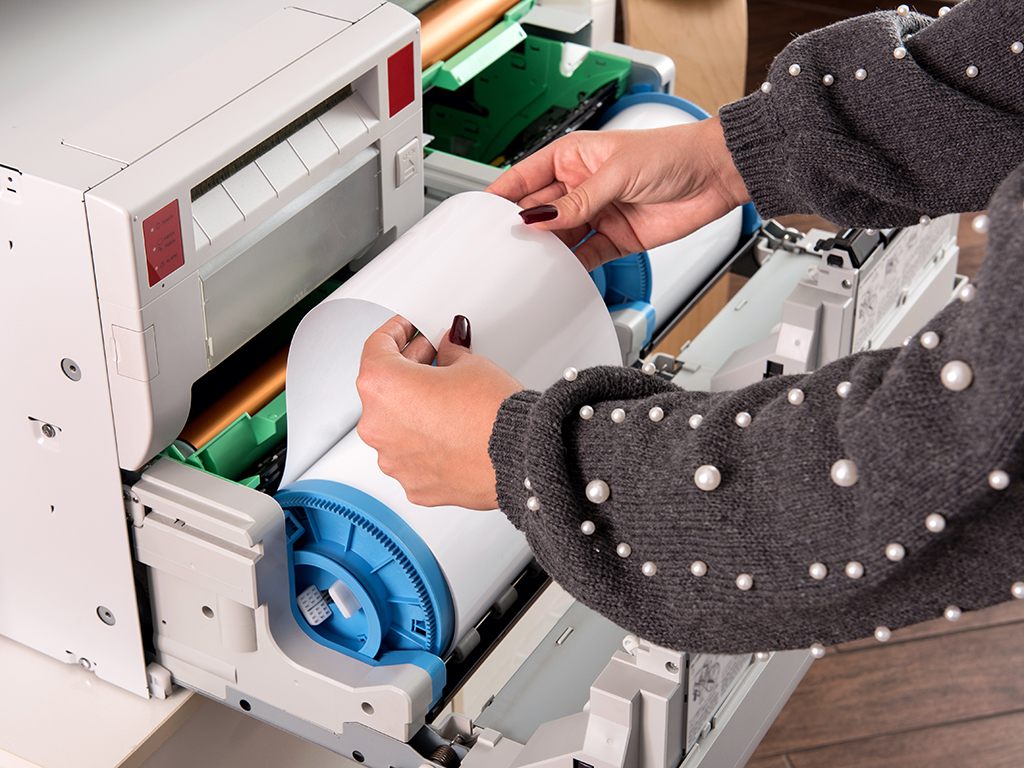
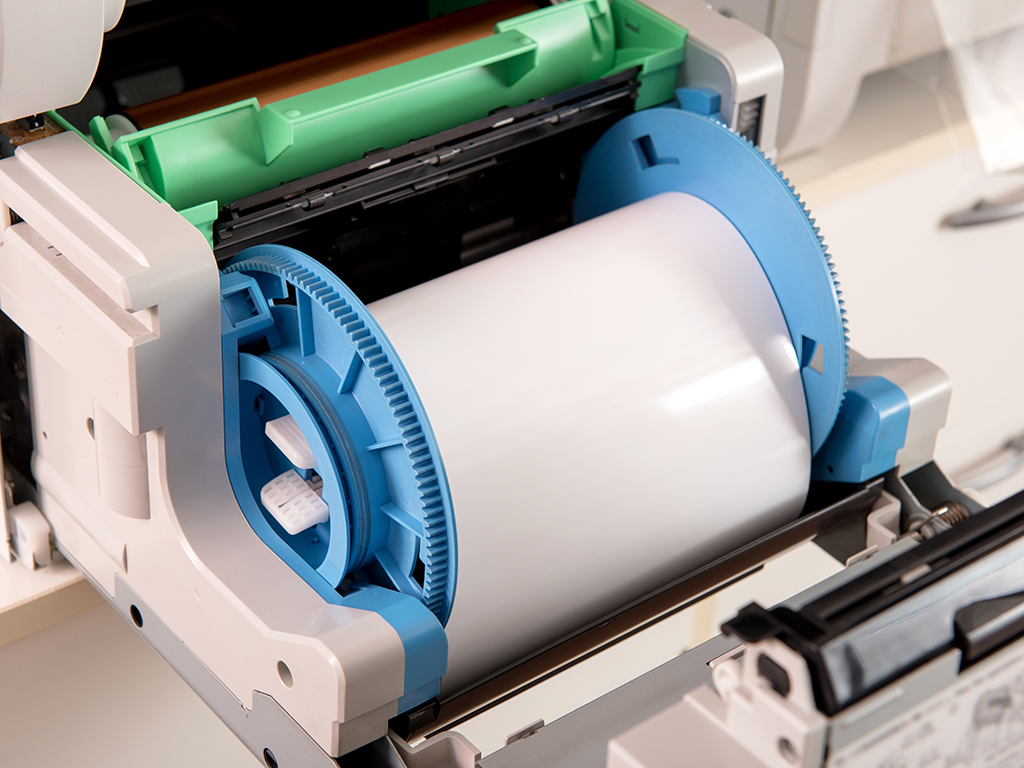
A dye sublimation printer is designed specifically for a heat-transfer process that uses specialised dye-based formulations. The design is first printed onto transfer paper, then moved onto a suitable substrate using controlled heat and pressure.
When heated, the dye changes from a solid state into a gas without becoming a liquid. The gas penetrates the surface of a compatible polyester material or polymer-coated product. As it cools, it returns to a solid state within the surface.
This produces a smooth graphic that does not sit as a thick layer on top of the material.
How Does the Dye Sublimation Process Work?
The process involves several stages.
Create the Design
The artwork is prepared digitally using the required colours, images, text, or patterns. The file should be set up at an appropriate resolution for the intended finished size.
Print the Transfer
The design is printed onto specially formulated transfer paper. The equipment uses dye-based colourants intended for this particular process.
The artwork is usually printed as a mirror image so that it appears correctly after transfer.
Position the Transfer
The printed sheet is placed against the polyester fabric or compatible coated blank. Proper positioning helps prevent unwanted movement during pressing.
Apply Heat and Pressure
A heat press applies controlled temperature and pressure for a specified amount of time. The dye turns into a gas and moves into the material.
Cool and Remove
Once the transfer is complete, the paper is removed according to the recommended procedure. The finished design is now embedded into the compatible surface rather than forming a separate layer on top.
What Materials Can Be Used?
This method works best with polyester and products that have a suitable polymer coating. Common examples include:
- Polyester shirts, sportswear, and other garments
- Coated mugs and drinkware
- Polyester banners and flags
- Coated aluminium panels
- Mouse pads
- Phone cases
- Personalised home décor
- Other products specifically manufactured for dye sublimation
It is not a universal process for every material. Untreated cotton, for example, is not a standard substrate for conventional dye sublimation.
What Is Dye Sublimation Used For?
The process is particularly useful when a design needs detailed colour reproduction across a product or fabric.
Apparel and Sportswear
Polyester garments can be decorated with photographs, logos, patterns, names, and other detailed artwork. It is commonly used for sports uniforms and custom activewear.
Promotional Products
Mugs, mouse pads, phone cases, drinkware, and other coated products can be personalised for businesses, events, gifts, and campaigns.
Signs, Flags, and Displays
Polyester fabrics can be used for banners, flags, backdrops, and exhibition graphics. The method is useful when lightweight, full-colour displays are required.
Home Décor
Compatible cushions, blankets, panels, and other decorative products can carry photographic or patterned designs.
What Are the Benefits?
Detailed Colour and Graphics
The process can reproduce photographs, gradients, fine details, and complex artwork without creating a thick printed layer.
Smooth Finish
Because the dye becomes part of the compatible surface, the finished graphic does not have the raised feel associated with some other transfer methods.
Good Durability on Suitable Products
When the correct material, equipment, and settings are used, the design can provide good resistance to cracking and peeling because there is no conventional surface film to crack or peel away.
All-Over Designs
Unlike some decoration methods that require a separate graphic layer, the process works well for large, continuous designs on suitable polyester fabrics.
What Are the Limitations?
Dye sublimation also has some important restrictions.
Material compatibility
Standard sublimation works primarily with polyester and polymer-coated products.
White areas
The process does not normally apply white dye. White areas in the artwork generally remain the colour of the underlying material.
Dark fabrics
Since there is no white base layer in standard dye sublimation, vibrant designs are most effective on white or light-coloured polyester.
Equipment requirements
The workflow requires compatible transfer paper, a suitable heat source, and products designed for the process.
Understanding these limitations before production can help prevent disappointing results.
Dye Sublimation vs. Other Printing Methods
The right decoration method depends on the material, design, quantity, and desired finish.
| Factor | Dye Sublimation | Direct-to-Garment | Heat Transfer |
|---|---|---|---|
| Best suited to | Polyester and coated products | Suitable garments | Various compatible fabrics |
| Colour on dark fabrics | Limited | Possible with suitable equipment | Depends on method |
| Finish | Smooth, integrated colour | Printed surface | Varies by transfer |
| Large all-over designs | Well suited to polyester | More limited | Depends on equipment |
| Main requirement | Polyester or polymer coating | Compatible garment | Compatible transfer material |
No single process works best for every application. Material compatibility and the type of artwork should guide the choice.
How Do You Get Better Results?
A successful transfer depends on the complete workflow, not just the equipment.
- Use a printer and consumables designed to work together.
- Select transfer paper appropriate for your system.
- Choose blanks specifically made for sublimation.
- Follow the manufacturer’s temperature, pressure, and time recommendations.
- Keep the transfer flat and correctly positioned during pressing.
- Use suitable colour-management settings when available.
- Test unfamiliar blanks before starting a large order.
- Store paper and consumables according to the manufacturer’s instructions.
Small differences in the substrate, press settings, or artwork can affect the final result, so testing is particularly useful when introducing a new product.
Is a Dye Sublimation Printer Right for Your Project?
This method is worth considering when you need detailed, full-colour designs on polyester fabrics or polymer-coated products. It is especially useful for sportswear, personalised merchandise, flags, banners, and promotional items.
If your project involves untreated cotton, dark garments, or another material outside the normal range, a different process may be more appropriate.
Conclusion
Dye sublimation uses heat to move dye into polyester and compatible coated products, creating detailed graphics with a smooth finish. Its ability to handle photographs, gradients, and large designs makes it useful for apparel, promotional merchandise, displays, and décor.
The key is choosing the right combination of printer, transfer paper, heat settings, and substrate. If you need professional apparel or promotional products, Triboro Printing can help you find the right approach for your project.
FAQs
A: Standard dye sublimation is designed primarily for polyester and polymer-coated products. Untreated cotton is not normally compatible with this process, so another decoration method may be more suitable.