
How Can Spot UV Coating Elevate Your Business Cards?
Did you know that 72% of people form an opinion about a company based on the quality of its business card? In a world where first impressions are forged in seconds, your business card isn’t just a contact slip — it’s a tangible ambassador for your brand. Enter Spot UV coating: a premium printing technique that applies a glossy, raised layer to select areas, creating a striking contrast against a matte background. This isn’t mere embellishment; it’s a strategic upgrade that transforms ordinary cards into sensory experiences, capturing attention and lingering in memories. In this article, we’ll explore how Spot UV can supercharge your business cards, from its mechanics to real-world impact.
Understanding Spot UV Coating
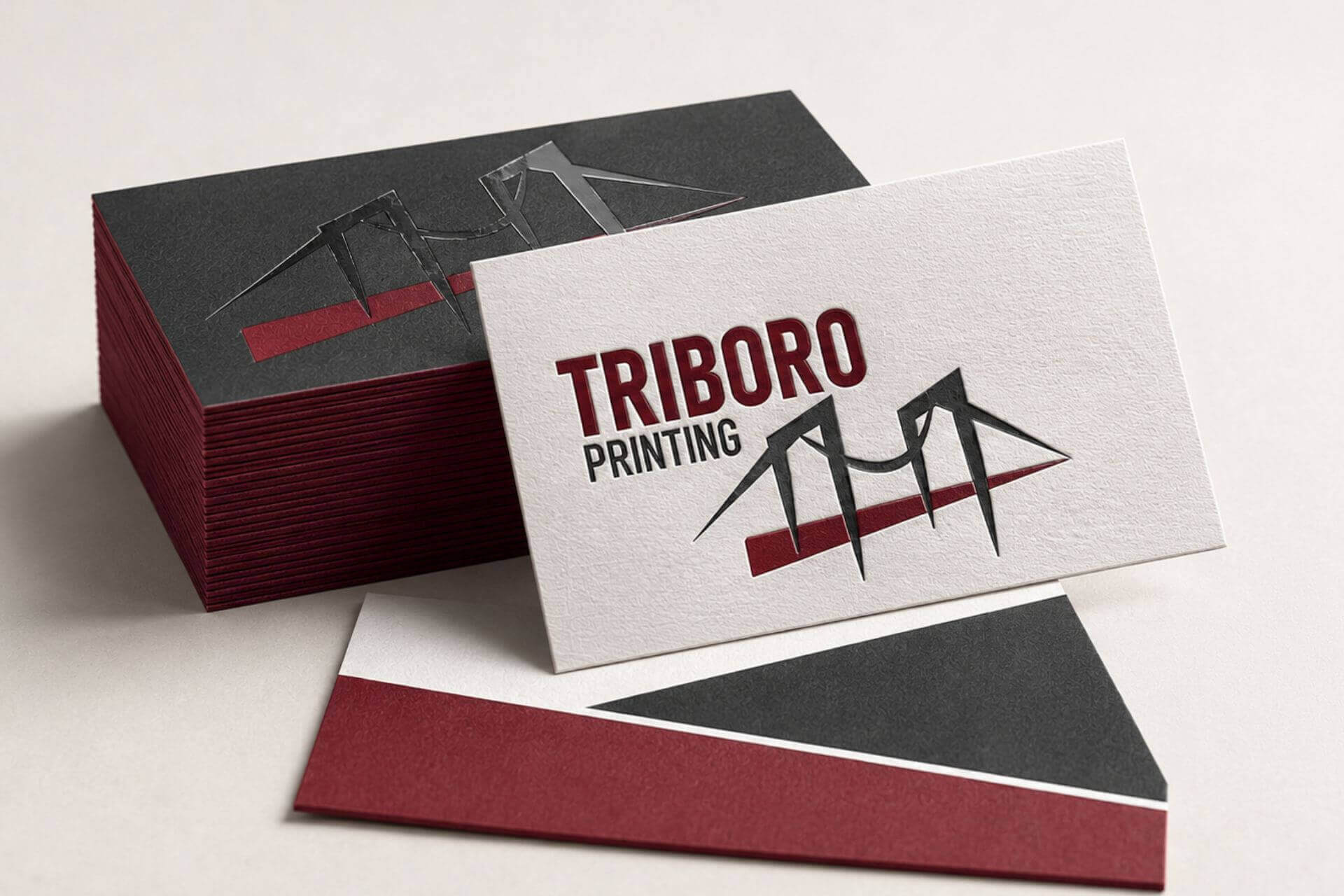
Spot UV coating is a selective finishing process that elevates printed materials beyond flat ink. Unlike full-sheet UV, which covers everything in shine, Spot UV targets specific elements like logos or text for a glossy pop. This creates depth and dimension, making your business card feel luxurious to the touch and eye.
What Is Spot UV Coating?
At its core, Spot UV involves applying a clear, liquid varnish to precise areas of your print, which is then cured instantly under ultraviolet light. This results in a smooth, reflective surface that’s both visually bold and subtly textured. It’s ideal for business cards because it highlights key design elements without overwhelming the overall layout. The technique is versatile, working seamlessly on standard cardstock to produce a high-end feel that’s far from the standard matte or gloss finishes.

How Does It Work?
The process begins with digital printing your card’s base design, typically on matte or uncoated stock for maximum contrast. A specialized printer then layers the UV varnish only where specified — often guided by a digital mask file — before exposing it to UV lamps that harden it in seconds. This curing step ensures the coating bonds permanently, resisting fading or peeling. The end result? A card that gleams under light, drawing the eye to focal points like your company name or signature line.
The Key Benefits of Spot UV for Business Cards
Incorporating Spot UV isn’t just aesthetic — it’s a smart investment in your brand’s perception. This technique turns a simple exchange into a memorable interaction, setting you apart in a sea of forgettable cards.
Enhanced Visual Appeal
Spot UV creates a dramatic sheen that makes elements “pop” against a subdued background, instantly commanding attention. Imagine your logo sparkling like a gem while the rest of the card remains elegantly matte — this contrast ensures your card stands out in wallets and on desks. It’s particularly effective for minimalist designs, where subtlety meets sophistication.
Tactile Experience
Beyond looks, Spot UV adds a subtle raised texture that’s satisfying to run your fingers over, turning passive viewing into active engagement. This sensory layer makes recipients more likely to keep and revisit your card, fostering longer-term recall of your brand. In networking scenarios, it’s a conversation starter: “Feel that? That’s the quality we bring to every project”.

Durability and Professionalism
The UV-cured layer acts as a shield against fingerprints, scratches, and everyday wear, ensuring your card looks pristine longer. This longevity reinforces a professional image, signaling attention to detail in your business operations. Plus, it’s eco-friendlier than some finishes, as the varnish is low-VOC and cures without heat.
Designing Business Cards with Spot UV
To harness Spot UV’s full potential, thoughtful design is key. Start by collaborating with a printer early — they’ll provide templates for masking the coated areas. Focus on simplicity: use it sparingly to avoid clutter, emphasizing 1-2 elements per card.
Here’s a quick list of tips for effective Spot UV integration:
- Choose high-contrast bases: Pair with matte or soft-touch laminate to amplify the gloss effect.
- Highlight hierarchy: Apply to logos, names, or calls-to-action to guide the viewer’s eye.
- Test textures: Experiment with varying varnish thickness for subtle emboss-like raises.
- Keep it thematic: Align shiny spots with your brand’s “bright” ideas, like innovation icons.
- Proof digitally: Use mockups to preview shine under different lighting.
These steps ensure your card not only looks premium but aligns with your visual identity.
Real-World Examples of Spot UV Success
Spot UV shines in diverse applications, from creative agencies to luxury brands. A graphic design firm used it to coat swirling patterns on matte cards, resulting in a 40% uptick in follow-up inquiries as clients raved about the “tactile art piece”. Another example: a real estate agent spotlighted property icons on cards, creating a 3D-like map effect that clients pocketed as keepsakes. Packaging pros often cite Spot UV on business cards mimicking product textures, like glossy fruit illustrations for a gourmet brand, boosting perceived quality. These cases show how targeted shine can translate to tangible business gains.

FAQ
Spot UV coating is a selective gloss finish applied to specific areas of printed materials, cured by UV light for a shiny, durable layer. Unlike full UV, which blankets the entire surface, Spot UV targets elements like logos for contrast and emphasis. This makes it perfect for business cards seeking a premium, non-uniform look. Overall, it adds both visual pop and tactile interest without overwhelming the design.
Yes, Spot UV typically costs 20-50% more due to the specialized equipment and setup time required for selective application. However, the investment pays off in perceived value and memorability, often leading to higher client retention. For small runs, prices start around $50-100 for 500 cards, depending on the printer. It’s a worthwhile upgrade for industries like design or consulting where first impressions drive revenue.
Spot UV works best on matte, uncoated, or soft-touch stocks, as these provide the ideal contrast for the gloss to shine. It’s less effective on already glossy papers, where the effect blends in. Most printers recommend 14-16 pt cardstock for optimal adhesion and durability. Always consult your provider for compatibility to avoid issues like bubbling.
Spot UV is highly durable, lasting 1-2 years or more under normal handling without fading or scratching. The UV-cured varnish resists moisture, fingerprints, and daily wear far better than standard laminates. In high-touch environments, like sales teams, cards may show minor wear after heavy use, but the shine persists. Proper storage in a wallet or case extends its pristine condition indefinitely.
Reputable online printers like 4OVER4, SilkCards, or PrintingForLess offer Spot UV as a standard option with easy file upload tools. Local print shops with digital presses can handle custom runs too. Look for providers with samples or virtual proofs to visualize the effect. Starting with a small batch lets you test before scaling up.