Can You Sublimate on Rayon
Rayon is a soft, lightweight fabric known for its breathability and fluid drape. It is commonly used in clothing and other textile products, but it behaves differently from polyester during heat transfer.
If you’re considering this fabric for a custom design, the result depends on its fibre composition, any polyester content, and how well it can tolerate the required heat. Testing the specific fabric before production is important.
What Is Rayon?
It is a semi-synthetic fibre made from regenerated cellulose, usually derived from plant-based sources such as wood pulp. It feels soft and is often used for dresses, shirts, scarves, and other garments.
Unlike polyester, it does not provide the same polymer surface that standard dye-sublimation inks are designed to bond with. This makes this type of decoration less straightforward.
What Makes Rayon Suitable for Sublimation?
Standard sublimation is generally not recommended for 100% this material.
The process works most reliably with polyester or specially coated substrates because the dye bonds with the polymer when exposed to heat. Rayon does not have the same structure, so a transfer may produce weaker colours, reduced durability, or inconsistent results.
Polyester-blended fabrics can be more suitable, depending on the percentage and construction of the fabric. However, the polyester content does not automatically guarantee a successful result.
Always check the fabric specifications and test a sample before working on a finished garment.
What About Rayon-Polyester Blends?
Blended fabrics can offer more flexibility, but the final result depends on the fibre ratio.
A higher polyester content generally provides a better surface for dye sublimation. However, rayon can still affect the finished design’s appearance and performance.
For a blend, consider:
- The percentage of polyester
- The colour of the fabric
- The fabric’s heat tolerance
- The manufacturer’s recommendations
- The desired durability and colour intensity
A test piece can show how the blend responds before you commit to a larger order.
What Happens When You Apply Heat to Rayon?
It can be more heat-sensitive than polyester. Excessive temperature or prolonged pressing may affect the fabric’s appearance, texture, or shape.
Because different rayon fabrics can have different constructions and finishes, no single heat-press setting works for every product.
Use the lowest temperature and shortest pressing time recommended for the specific material and transfer system, and always follow the manufacturer’s instructions.
How Can You Test Rayon Before Production?
Testing a small piece first is one of the safest ways to evaluate an unfamiliar fabric.
Check the Fibre Content
Check the garment or fabric label to see whether it is 100% rayon or a blend.
Check the Manufacturer’s Guidance
Confirm whether the fabric is approved for heat transfer and note any temperature or care restrictions.
Prepare a Small Design
Use a simple test graphic to assess colour, detail, and coverage.
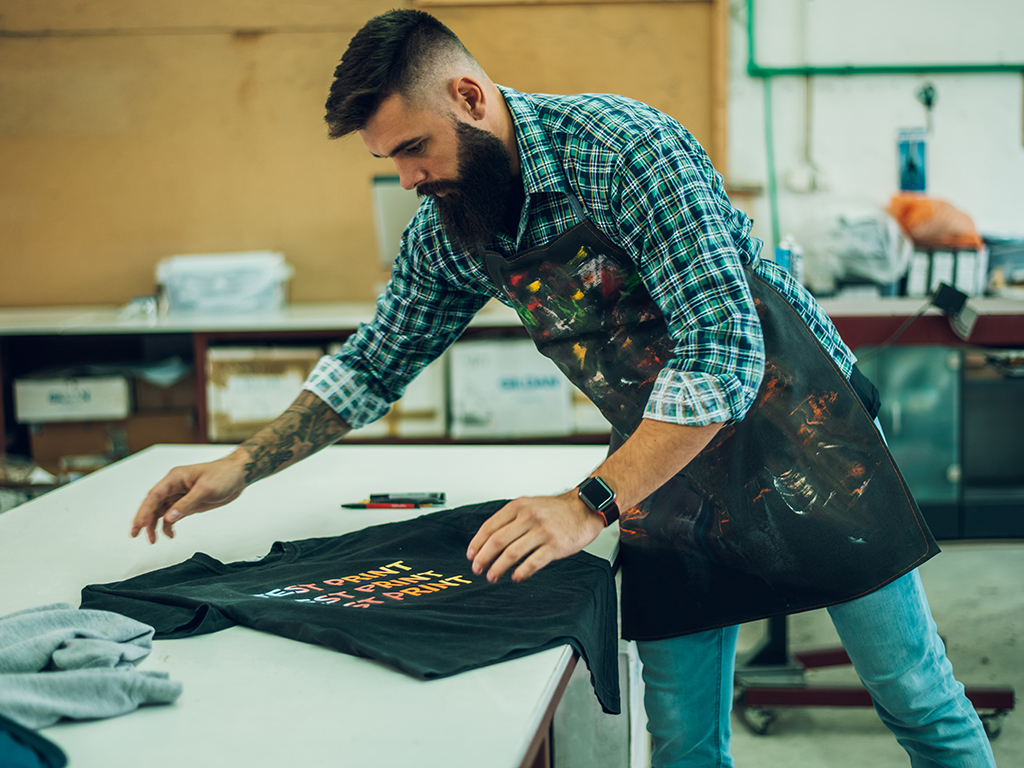
Apply the Transfer
Follow the recommended settings for the specific transfer system rather than using default polyester settings.
Inspect the Result
Look for changes in colour, fabric texture, scorching, distortion, and adhesion. If possible, wash the sample according to the garment’s care instructions to assess how well the design holds up.
What Are the Main Limitations?
Using rayon for this type of customization comes with several considerations:
- Limited compatibility: Pure rayon doesn’t offer the polymer surface normally required for standard dye sublimation.
- Heat sensitivity: Excessive heat can affect the fabric’s appearance or structure.
- Colour results: Designs may not achieve the same vibrancy seen on polyester.
- Durability: Results can vary depending on the fabric and transfer method.
- Fabric blends: Polyester content can improve compatibility, but results still vary between products.
Rayon vs. Polyester for Sublimation
| Feature | Rayon | Polyester |
|---|---|---|
| Standard suitability | Limited | Generally well suited |
| Heat tolerance | Varies by fabric | Generally suitable for the process |
| Colour results | May be less consistent | Typically vibrant |
| Best use | Specific blends or tested applications | Apparel and products designed for sublimation |
| Testing | Strongly recommended | Still useful for new products |
Is Rayon a Good Choice for Custom Designs?
For standard sublimation, polyester is usually more predictable. Pure fabric can be difficult to work with because its fibres don’t provide the polymer surface the dye needs to bond effectively.
If the garment contains polyester or has a specially prepared surface, testing may show that the particular product can handle the process. If not, another decoration technique may be more appropriate.
Conclusion
Standard dye sublimation is generally not the best choice for 100% rayon because it lacks the polymer structure needed for the dye to bond effectively. Rayon-polyester blends may offer more possibilities, but results depend on the fibre ratio, fabric construction, and heat tolerance.
Before producing a finished garment, check the manufacturer’s specifications and test a sample. If you’re looking for professional apparel printing, Triboro Printing can help you explore suitable options for your project.