Choosing the Best T-Shirts for Screen Printing: A Guide
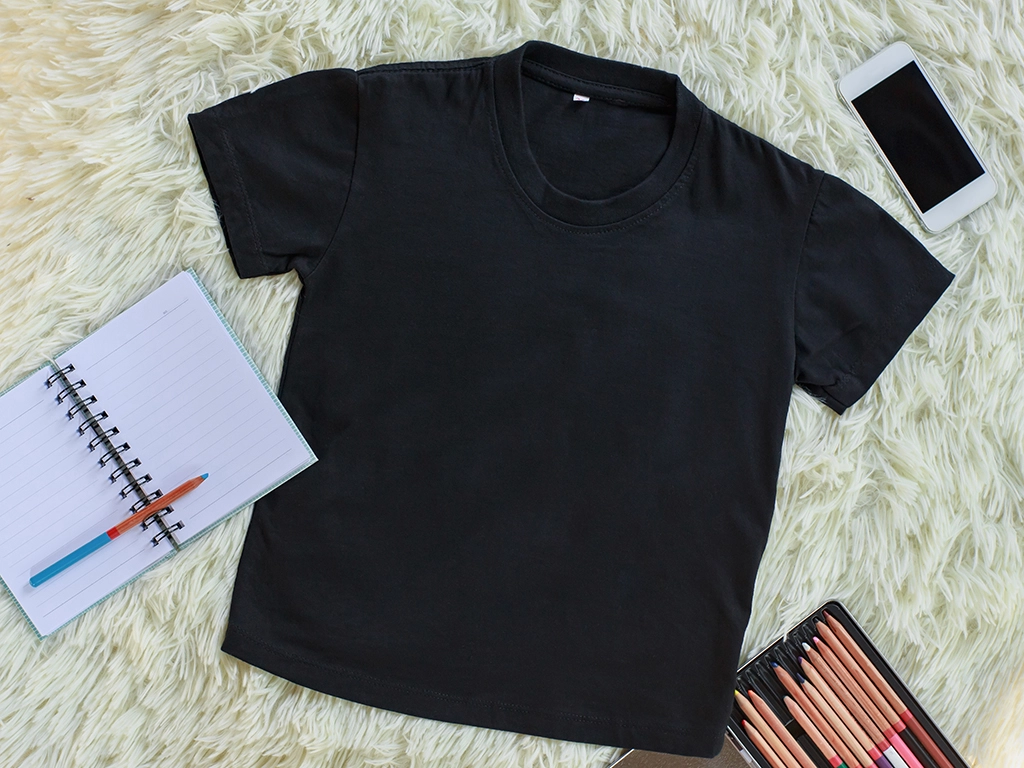
The T-shirt you choose can affect how your screen-printed design looks, feels, and holds up over time. Fabric composition, colour, weight, texture, and construction all affect the finished result.
Whether you’re ordering shirts for a business, event, team, or personal project, choosing the right blank garment before production can help you get a cleaner and more consistent result.
What Fabric Is Best for Screen Printing?
Cotton is one of the most commonly used fabrics for screen-printed T-shirts because it provides a good surface for many textile inks and comes in a wide range of garment styles.
100% Cotton
Cotton is a popular choice for traditional screen printing. It feels comfortable and works well with many standard textile inks.
For designs where a soft, natural garment is important, 100% cotton can be a practical option.
Cotton-Polyester Blends
Blended fabrics combine cotton with synthetic fibres and can offer different characteristics from a fully cotton shirt. They can suit screen printing, but the ink system and curing process must match the fabric.
Some polyester-containing garments can also experience dye migration, where the garment’s dye affects the printed colours during curing. Choosing compatible materials and production settings helps reduce this risk.
100% Polyester
Polyester can be useful for sportswear and performance garments, but it requires more consideration than cotton. Certain polyester fabrics can cause dye migration, particularly when exposed to the heat used during curing.
If your project requires polyester, use an ink system and production process designed for that garment type.
What T-Shirt Weight Should You Choose?
Fabric weight affects how a shirt feels and drapes, but no single weight works for every project.
Lightweight shirts can be comfortable for warm weather and casual wear but may be more prone to showing the underlying surface or ink coverage.
Medium-weight shirts balance comfort and structure and are a common choice for everyday custom apparel.
Heavier shirts feel more substantial and work well for premium or streetwear-style garments.
Think about how the shirt will be worn rather than choosing a weight solely for its effect on the printed design.
Why Does Fabric Texture Matter?
A smoother surface generally makes it easier to achieve a clean-looking graphic. Very textured or heavily ribbed materials can affect how evenly the ink is deposited.
Before ordering a large quantity, consider testing the actual garment with the intended artwork. This is particularly useful when working with unusual textures, finishes, or garment constructions.
How Does T-Shirt Colour Affect Screen Printing?
Garment colour can influence the appearance of the finished artwork.
Light-coloured shirts may require less coverage for some designs, while dark garments often need an appropriate underbase to make lighter colours appear opaque and vibrant.
For example, a light graphic printed directly onto a dark shirt may look muted without sufficient opacity. Your printer can recommend an appropriate ink and setup based on the artwork and garment colour.
What Makes a Good T-Shirt for Screen Printing?
When comparing blank garments, look for:
- Suitable fabric composition: Match the garment to the intended ink system.
- Consistent construction: Uniform fabric helps produce predictable results across an order.
- A smooth surface: This can make it easier to achieve clean graphics.
- Appropriate weight: Choose according to the intended use and desired feel.
- Reliable sizing: Consistent measurements are especially important for team, business, and event orders.
- Colour availability: A broad selection gives you more flexibility when matching the garment to your design.
- Good-quality construction: Check seams, collar shape, and overall finish, not just the graphic.
What About Pre-Shrunk T-Shirts?
Pre-shrunk garments can reduce unexpected size changes after washing, but they can still shrink depending on the fabric and care.
If consistent sizing matters, check the manufacturer’s sizing and care information rather than assuming that a shirt labelled pre-shrunk will not change at all.
Should You Test the Shirt Before a Large Order?
Yes. If the garment is new to your project, testing a sample can help identify potential problems before you commit to a larger quantity.
A test can reveal how the ink looks against the fabric colour, how the surface handles the artwork, and whether the finished garment meets your expectations for appearance and feel.
This is especially useful when using polyester, blends, specialty finishes, or detailed artwork.
How Do You Choose the Right T-Shirt for Your Project?
Start by considering the shirts’ purpose.
For everyday promotional apparel, a comfortable cotton or cotton-rich option may be appropriate.
For sportswear, polyester is often preferred for its performance characteristics, but the printing process must suit the fabric.
For premium apparel, garment weight, construction, texture, and overall finish may matter as much as the graphic itself.
For large events or business orders, consistency in colour, sizing, and availability becomes particularly important.
Conclusion
The best t-shirt for screen printing is not simply the thickest or most expensive option. The right choice depends on the fabric, garment colour, weight, texture, artwork, and intended use.
Testing the blank before a large production run can help you spot compatibility issues and get a better idea of how the finished design will look and feel.
If you’re unsure which garments will work with your artwork, Triboro Printing can help you select suitable T-shirts and produce your custom designs through professional T-shirt printing services in NYC.