What Are the Different Types of Paper and How Do You Choose the Right One?
Choosing the right paper is an essential step for any printing project, whether it’s business materials, marketing collateral, or creative artwork. Paper affects not only the visual quality of prints but also durability, feel, and how colors appear on the final product. With so many types available – each with unique weights, finishes, and textures – understanding the options is key to achieving professional results. This article breaks down the most common types of paper and offers guidance for selecting the best one for your project.
Common Types of Paper
There are several categories of paper used in printing, each suited for different applications. The most common types include:
Bond Paper
Bond paper is a lightweight, durable paper commonly used for everyday printing and writing, including letterheads, forms, and office documents. It has a smooth surface that works well with both inkjet and laser printers. Bond paper is available in various weights, typically ranging from 16 lb to 32 lb, and can be either white or colored. Its affordability and versatility make it a staple for both business and personal use.
Coated Paper
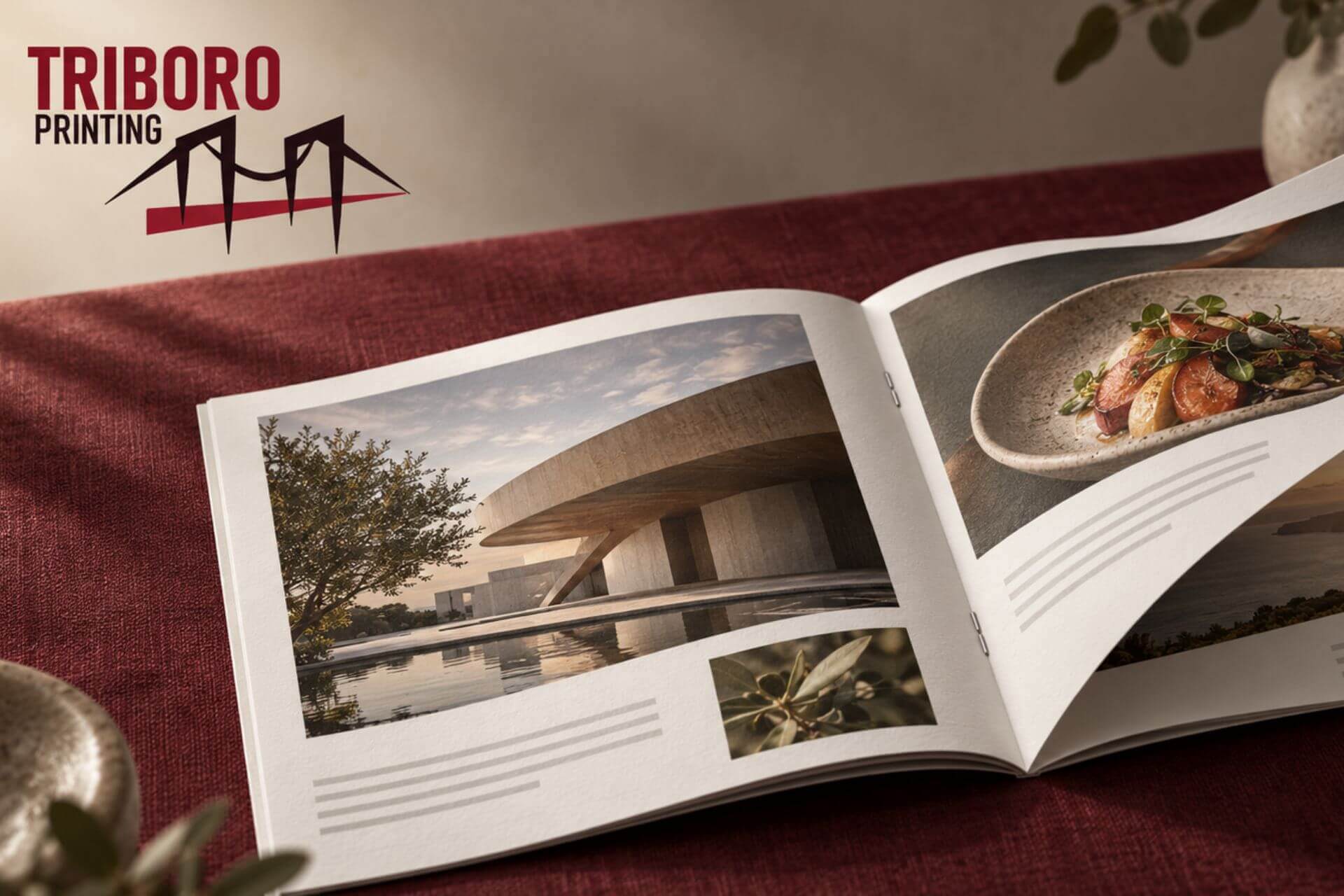
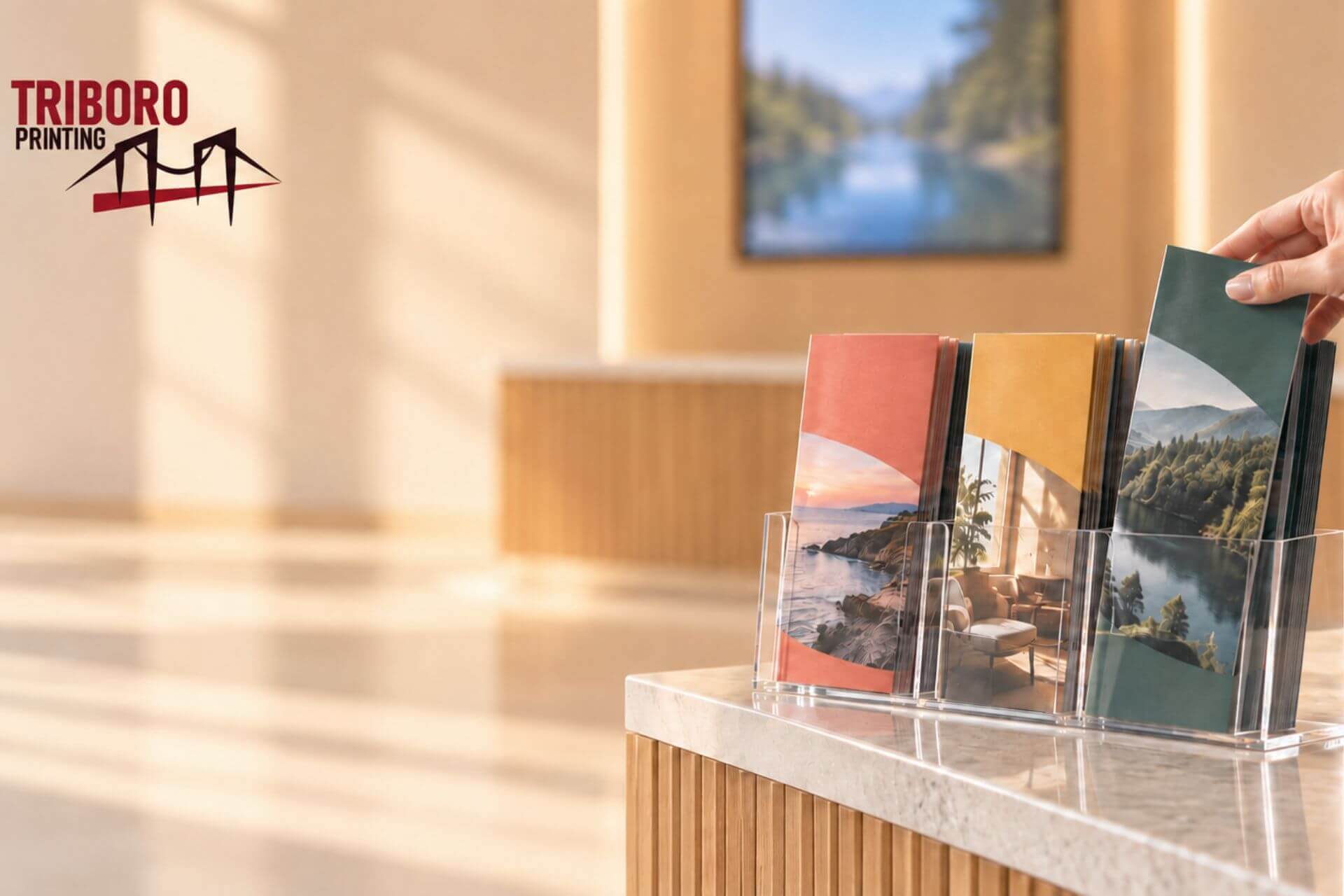
Coated paper has a surface layer that enhances brightness, smoothness, and ink absorption, creating sharper, more vibrant images. It comes in gloss, matte, or satin finishes, which influence the look and feel of printed materials. Glossy coated paper is ideal for magazines, brochures, and marketing materials where color pops, while matte coated paper provides a professional, glare-free finish. The coating also improves durability and reduces ink bleed.
Textured Paper
Textured paper adds a tactile dimension to prints through patterns such as linen, felt, or laid finishes. It’s commonly used for stationery, wedding invitations, or luxury business cards to convey quality and elegance. Textured surfaces can create visual interest but may slightly affect print clarity, especially for fine details. This type of paper is chosen when the tactile impression is as important as the printed design.
Cardstock
Cardstock is thicker and more rigid than standard paper, often used for business cards, postcards, invitations, and packaging. It ranges from 60 lb to over 110 lb in weight and comes in various finishes, including matte, gloss, and uncoated. Cardstock provides durability, professional feel, and the ability to withstand handling without bending. It is ideal for projects that require sturdiness and a premium presentation.
Recycled Paper
Recycled paper is made from post-consumer waste and is increasingly popular for environmentally conscious projects. It is available in a variety of weights and finishes, comparable to standard paper types. Using recycled paper can enhance your brand image by demonstrating sustainability while still delivering quality prints.
Specialty Papers
Specialty papers include options like synthetic paper, metallic finishes, and tear-resistant or waterproof papers. These are often chosen for niche applications, including outdoor signage, menus, or creative projects that require durability or unique visual effects. While more expensive, specialty papers provide distinctive looks or functional benefits not found in standard paper.

How to Choose the Right Paper
Selecting the best paper depends on the project type, desired look, and budget:
- Consider the Purpose: For everyday office printing, bond or standard coated paper works well; for high-end marketing materials, coated or textured paper enhances presentation.
- Weight Matters: Heavier paper feels more substantial and durable, making it ideal for invitations, business cards, or brochures.
- Finish and Texture: Glossy finishes make colors vibrant, matte finishes look professional, and textured papers create a tactile experience.
- Printer Compatibility: Ensure the paper is suitable for your printer type (laser, inkjet, or offset) to avoid smudging or jams.
- Environmental Impact: Recycled or FSC-certified paper options allow you to reduce your environmental footprint without compromising quality.
Final Thoughts
Choosing the right paper can make a dramatic difference in the success of your printed materials. By understanding the types, weights, finishes, and uses of paper, you can ensure that every project looks professional, feels high-quality, and meets its intended purpose. Whether you’re printing a business report, promotional flyer, or special event invitation, matching the paper type to your project goals will maximize impact and leave a lasting impression.
FAQ
What is the difference between coated and uncoated paper?
Coated paper has a smooth surface with a layer that enhances color, sharpness, and gloss, making it ideal for vibrant images and marketing materials. Uncoated paper has a natural texture and absorbs ink more readily, giving a softer look and tactile feel. Coated paper is best for brochures, flyers, and photo prints, while uncoated works well for letterheads, stationery, and everyday documents.
How do I choose the right paper weight?
Paper weight affects the feel, durability, and professional appearance of printed materials. Lighter papers (16–28 lb) are suitable for everyday printing or office use, while heavier papers (80 lb and above) are better for business cards, invitations, and postcards. Consider the purpose and impression you want to create when selecting weight.
Does texture affect printing quality?
Yes, textured papers like linen or felt can add elegance and a tactile experience but may slightly blur fine details or text. Smooth or coated papers produce sharper images and clearer graphics. Choose textured paper when the feel is important and smooth surfaces when precision and color vibrancy are critical.
Can I use recycled paper without compromising quality?
Absolutely – modern recycled papers can match the quality of standard papers in both print clarity and durability. Many recycled options are available with different weights and finishes, suitable for business documents, marketing materials, or creative projects. Choosing recycled paper also helps reduce environmental impact.
How do I know if the paper is printer-compatible?
Always check the paper specifications to ensure compatibility with your printer type – inkjet, laser, or offset. Using the wrong paper can lead to smudging, jams, or poor print results. Most paper packaging will specify the recommended printing methods.
Need this produced professionally? Triboro Printing offers commercial printing in NYC from our Astoria, Queens shop.