
The Evolution of Printing in NYC: From Blueprints to Bold Brand Signage
New York City has always been a place where commerce, construction, culture, and communication move quickly. Printing has been part of that story for centuries, evolving from early presses that produced newspapers and pamphlets to technical drawings, commercial signage, and today’s digital production.
The technology has changed, but the purpose remains familiar: helping people communicate information, promote businesses, document ideas, and bring designs into the physical world.
For NYC businesses today, that can mean anything from architectural drawings and business materials to banners, decals, posters, and branded displays.
The Early History of Printing in New York City
Printing took root in New York during the colonial period. William Bradford established a printing press in New York in 1693, helping establish the city as an important centre for printed information.
Early printers produced newspapers, books, pamphlets, government documents, advertisements, and other materials used by businesses and residents. As the city expanded, so did the demand for printed communication.
By the 19th century, improvements in press technology made it possible to produce newspapers and other materials at much greater scale. Printing became closely connected to New York’s commercial and cultural life.
The growth of newspapers, advertising, publishing, and financial services helped create a strong local printing industry.

How Blueprints Changed Construction
Printing was not limited to newspapers and promotional materials. As New York began developing larger buildings and increasingly complex infrastructure, accurate reproduction of technical drawings became essential.
The Rise of the Blueprint
The cyanotype process, developed by Sir John Herschel in 1842, produced white lines on a blue background and became widely associated with technical drawings.
Blueprints offered a practical way to reproduce architectural and engineering plans. Instead of creating every copy from scratch, professionals could produce multiple versions for architects, engineers, contractors, and other project teams.
This became particularly useful as construction projects grew more complex.
From Blueprints to Digital Plans
Blueprints eventually gave way to newer reproduction methods and, later, computer-aided design and digital file sharing.
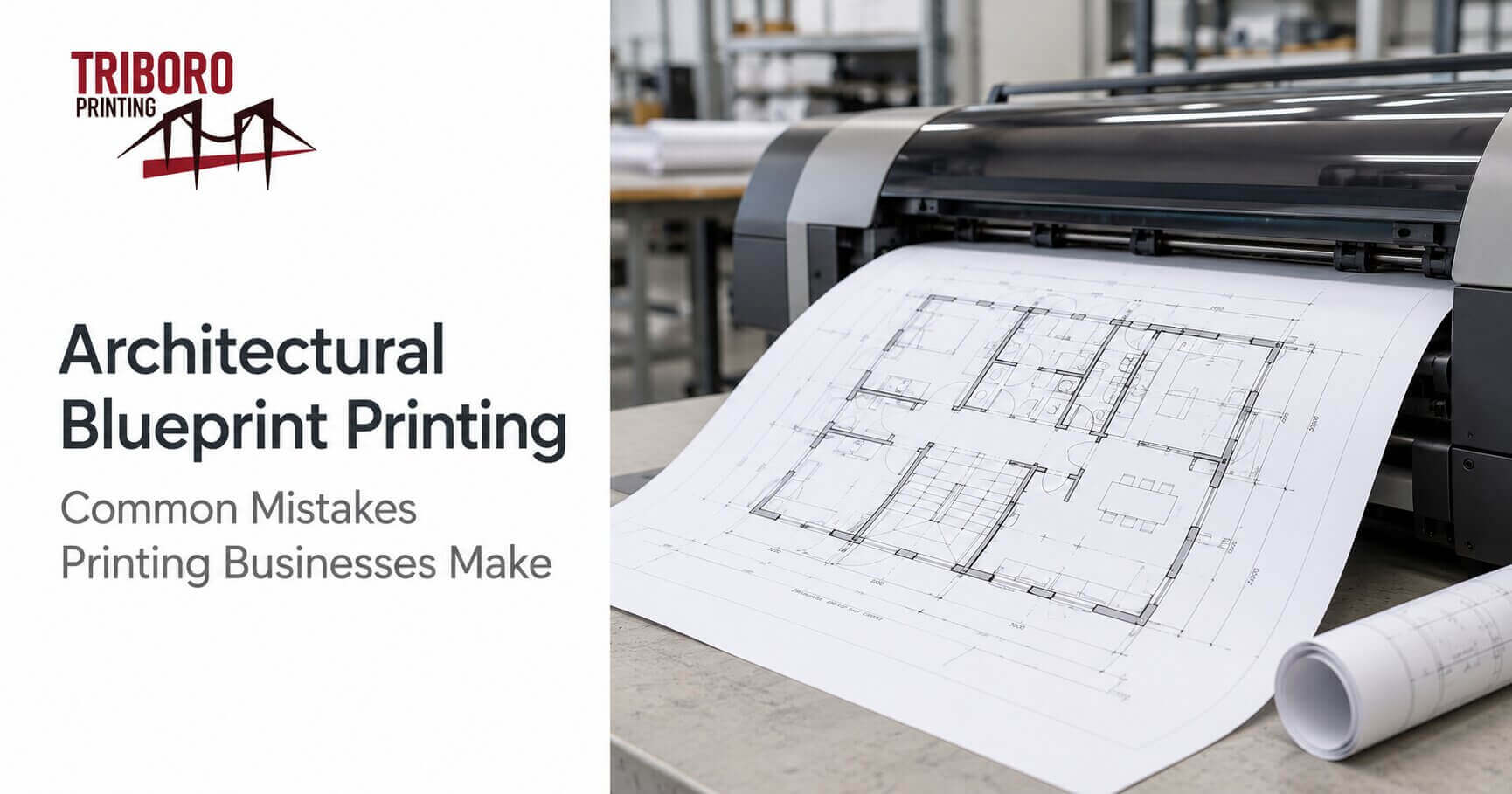
Today, architects and engineers can create documents digitally and produce large-format drawings when physical copies are required. The technology has changed, but the need for accurate, readable technical documents remains.
The Growth of Signage and Outdoor Advertising
While technical printing supported construction, another form of visual communication was transforming New York’s streets.
Businesses used painted signs, posters, billboards, and other displays to attract attention. As electric lighting became more widely available, illuminated advertising became increasingly prominent, particularly around Times Square.
By the 20th century, commercial signage had become an important part of New York’s visual identity.
Signage also evolved alongside local regulations and changing technology. What began with hand-painted displays eventually expanded into printed graphics, illuminated signs, large-format applications, and today’s digitally produced displays.
The Shift to Modern Commercial Printing
Digital production changed how businesses approached printed materials.
Traditional processes remain useful for certain applications, but digital technology made short runs, variable designs, faster revisions, and large-format graphics more accessible.
For NYC businesses, modern production can cover a wide range of needs, including:
- Business cards, brochures, and other marketing materials
- Posters and banners
- Storefront graphics and decals
- Vehicle lettering and graphics
- Event and trade show displays
- Architectural drawings
- Custom apparel
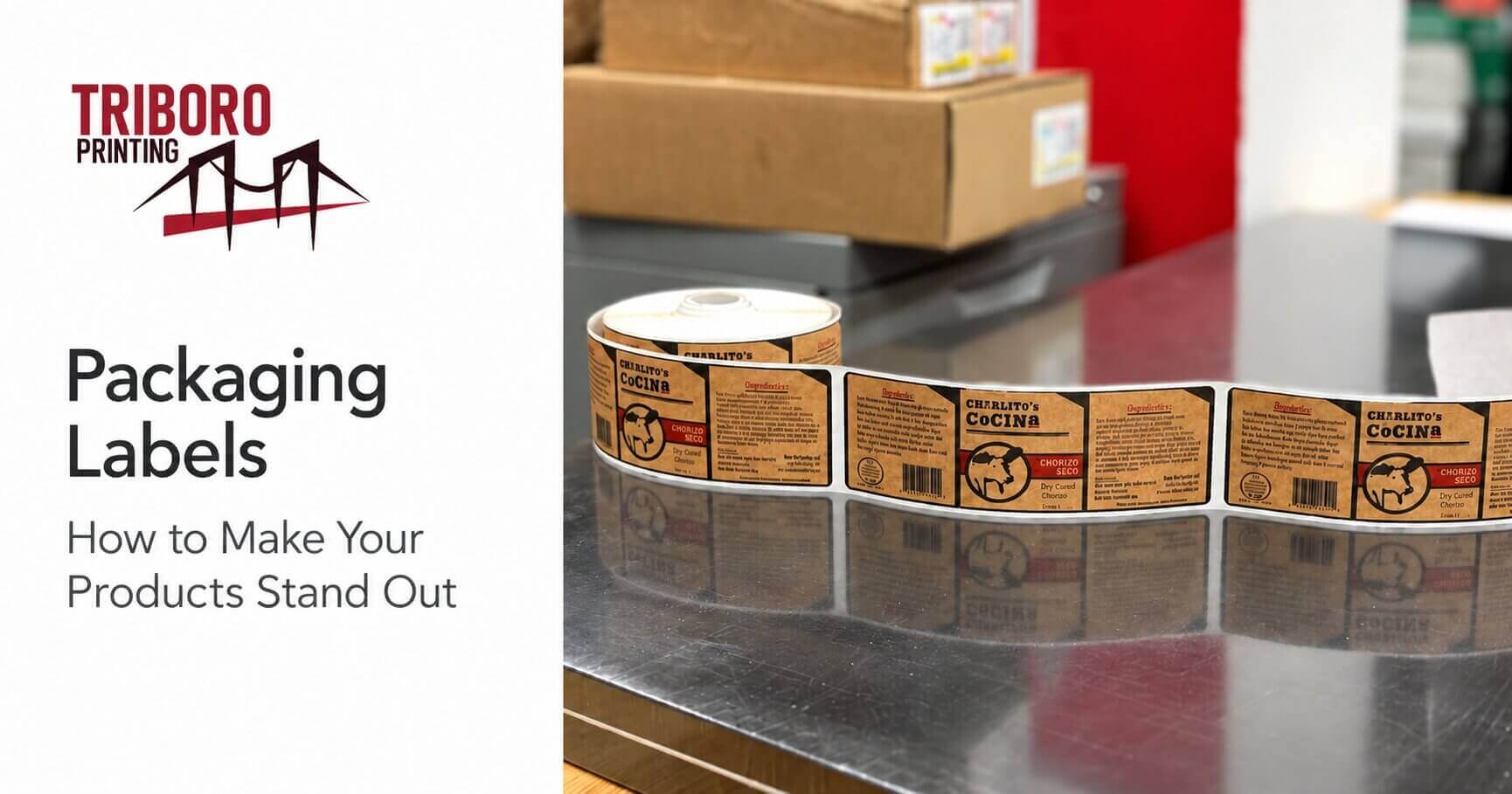
- Packaging and product labels
The result is an industry that is no longer limited to producing documents. Modern print providers can support many parts of a business’s physical branding and communication.

What Does Printing in NYC Look Like Today?
Today’s printing landscape combines digital design with a wide range of physical materials and finishing options.
Large-format equipment can produce graphics for storefronts, events, vehicles, exhibitions, and other spaces. You can choose different substrates depending on where the finished product will be displayed and how it will be used.
Businesses can also coordinate design, production, finishing, and installation through full-service providers. This can be particularly useful for projects involving multiple printed elements or physical displays.
For local companies, working with a NYC-based provider can also make communication and project coordination more straightforward.
How Printing Supports NYC Businesses Today
Although much of business communication has moved online, physical materials still have practical applications.
A restaurant may need menus and window graphics. A construction company may require architectural drawings and project signage. A retailer may use storefront graphics, promotional displays, and product labels. An event organiser may need banners, directional signs, and branded backdrops.
This variety is one reason the printing industry has continued to evolve rather than simply disappear as digital communication has grown.
The Future of Printing in New York City
Printing will likely continue changing as businesses adopt new production technologies, materials, and workflows.
Digital production, personalised materials, large-format graphics, and more efficient workflows are already part of modern commercial printing. Sustainability is also influencing decisions around substrates, inks, production methods, and waste.
What remains constant is the need for clear, useful physical communication.
From the first colonial presses to architectural drawings and modern brand graphics, printing has adapted to the way New Yorkers work, build, advertise, and communicate.
Conclusion
The history of printing in NYC reflects the city’s broader development. Early presses helped circulate information, technical reproduction supported construction, and signage transformed commercial streets into highly visual spaces. Today, digital technology allows businesses to produce everything from architectural documents to large-format branding and promotional materials.
If you need professional printing for a business, construction project, event, or branding campaign, Triboro Printing provides a range of printing and signage services from its Astoria, Queens location. Its services include business printing, architectural drawings, banners, posters, decals, apparel, and other custom print solutions.