
Digital vs Offset vs Screen Printing: Which Method Is Right?
In a world where visuals dominate everything from marketing materials to custom apparel, selecting the perfect printing technique isn’t just a choice – it’s the secret sauce to making your project pop. Whether you’re a small business owner cranking out flyers, a designer crafting vibrant t-shirts, or a publisher producing thousands of books, understanding digital, offset, and screen printing can save you time, money, and headaches. Let’s break down these powerhouse methods to help you print like a pro.
What is Digital Printing?
Digital printing transfers images directly from a digital file to the material using inkjet or laser technology, much like your home printer but on a professional scale. It’s versatile for both paper and fabrics (often called DTG or Direct-to-Garment for textiles), allowing for quick, on-demand production without plates or screens.
What is Offset Printing?
Offset printing, a traditional technique, involves transferring ink from a plate to a rubber blanket and then to the printing surface. It’s renowned for its precision and is commonly used for high-volume paper-based projects like magazines and brochures.

What is Screen Printing?
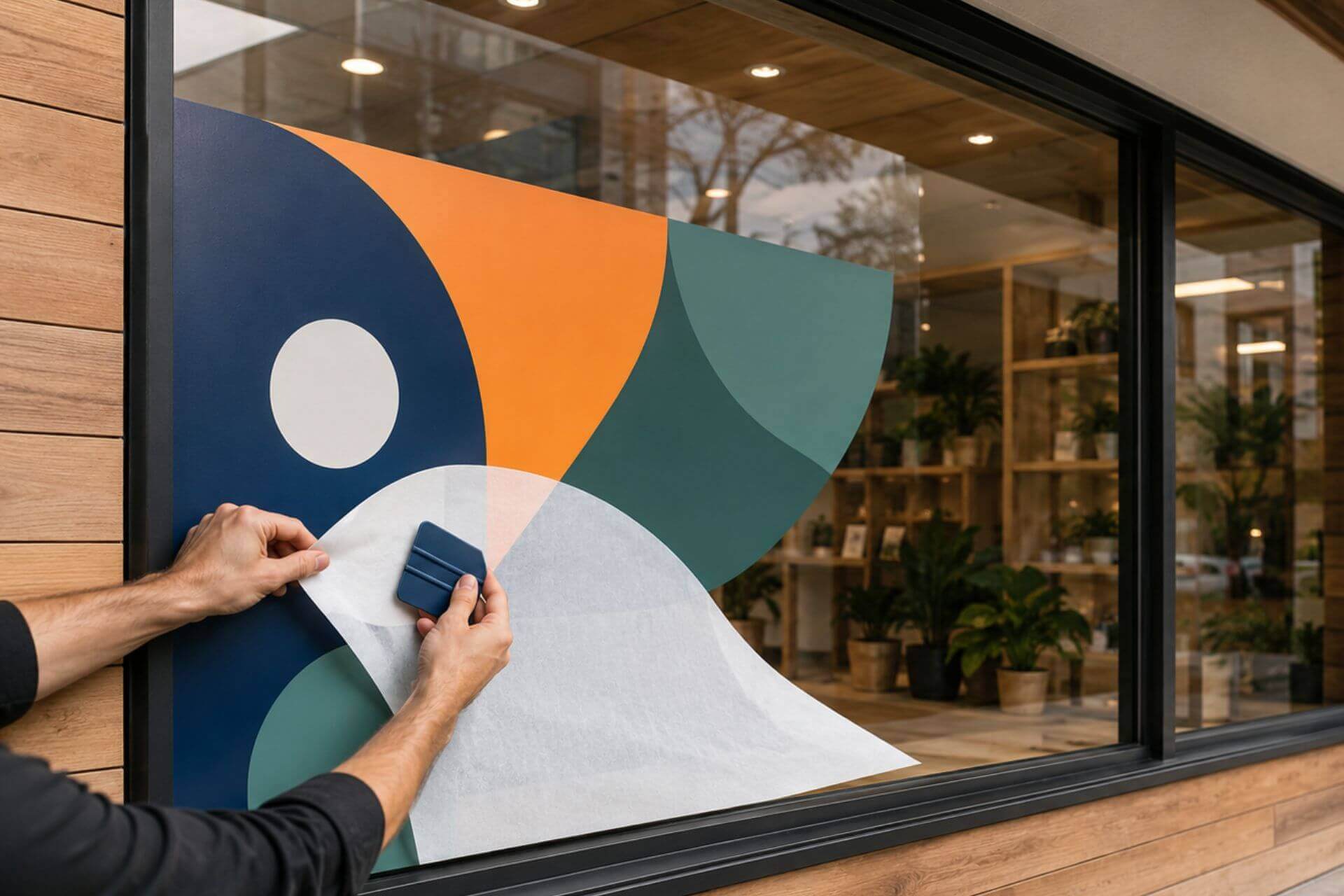
Screen printing pushes ink through a mesh stencil (screen) onto the substrate, with each color requiring its own screen. It’s a go-to for textiles and promotional items, delivering thick, durable layers of ink.
Digital Printing: Pros and Cons
Digital shines in flexibility but has limits on scale.
- Pros: Low setup costs, fast turnaround, excellent for detailed designs and gradients, supports variable data (like personalized names), and eco-friendly with less waste for small runs.
- Cons: Higher per-unit cost for large quantities, potentially less durable on fabrics, and limited Pantone color matching.
Offset Printing: Pros and Cons
This method is a heavyweight for quality but demands commitment.
- Pros: Superior color accuracy (including Pantones and metallics), cost-effective for high volumes, crisp professional results, and versatile paper options.
- Cons: High initial setup costs and time, not economical for small runs, and inflexible for changes mid-process.
Screen Printing: Pros and Cons
Ideal for bold, lasting impressions, screen printing packs a punch.
- Pros: Extremely durable and vibrant (especially on dark fabrics), versatile across materials like textiles, metal, and plastic, and economical for bulk orders.
- Cons: Time-consuming setup for multiple colors, best for simple designs (limited to 9 colors typically), and higher minimum orders to justify costs.
Key Factors to Consider for Your Project
Before diving in, weigh these elements to match the method to your needs:
- Quantity: Digital for 1-1,000 units; offset and screen for 1,000+ to minimize per-unit costs.
- Budget: Factor in setup fees — digital saves on small runs, while offset and screen excel in bulk.
- Turnaround Time: Digital offers the quickest production; offset and screen require more prep.
- Material and Durability: Screen for rugged textiles; digital for detailed fabrics; offset for premium paper.
- Design Complexity: Digital handles intricate, multi-color designs; screen suits bold, fewer-color graphics; offset for precise, professional prints.
- Environmental Impact: Digital reduces waste for on-demand; screen and offset may use more resources in setup.
Which Method Is Right for You?
For short-run personalized items like custom invitations or prototype t-shirts, go digital – it’s fast and flexible. If you’re printing thousands of brochures or books with exact color needs, offset is your reliable choice for quality and savings. Opt for screen printing when durability matters, such as band merch or uniforms that withstand wear and tear. Ultimately, align your project’s scale, material, and design with these strengths for standout results.

FAQ
What’s the main difference between digital and offset printing?
Digital skips plates for quick, low-volume runs with variable data, while offset uses plates for high-quality, cost-effective large-scale production.
Is screen printing better than digital for t-shirts?
It depends: Screen offers superior durability for bulk simple designs, but digital excels in detailed, small-batch custom prints.
When should I avoid offset printing?
Skip it for runs under 1,000 units or when you need rapid turnaround, as setup costs and time make it inefficient.
Can all methods handle any material?
No—digital and screen are great for fabrics, while offset is primarily for paper. Screen is the most versatile overall.
Which is the most eco-friendly?
Digital often wins for small runs due to less waste, but all can be sustainable with proper practices.