
What’s the Best Paper Choice for Your Print Project?
Did you know that a single pine tree can produce up to 80,500 sheets of paper — enough to fill an entire office for a year? Yet, in the world of printing, it’s not just about quantity; the right paper choice can elevate a simple flyer to a professional masterpiece or turn a brochure into a keepsake. Whether you’re designing business cards, booklets, or marketing materials, selecting the optimal paper involves balancing weight, finish, texture, and purpose. In this guide, we’ll break down the essentials to help you make an informed decision that aligns with your project’s goals, budget, and aesthetic vision.
Understanding Paper Weights and Thickness
Paper weight is a critical factor that determines durability, feel, and suitability for your print job. Measured in pounds (lb) for a stack of 500 sheets (a ream) or in grams per square meter (gsm), it influences everything from foldability to opacity. Lighter papers are cost-effective for high-volume runs, while heavier ones provide a premium, sturdy hand-feel.

What is Paper Weight?
Paper weight can be confusing because text and cover stocks are measured differently — text for inner pages (e.g., 60-100 lb) and cover for outer elements (e.g., 65-120 lb). For instance, 80 lb text (about 118 gsm) is standard for brochures, offering a balance of lightness and strength without bulk. Thickness is often expressed in points (pt), where 12 pt equals roughly 0.012 inches, ideal for business cards that need to stand up without bending.
Common Weights for Print Projects
- Lightweight (20-60 lb text / 50-90 gsm): Perfect for multi-page documents like reports or newsletters, as it keeps shipping costs low and stacks neatly.
- Medium (70-100 lb text / 100-150 gsm): Versatile for flyers, posters, and book interiors, providing good opacity to prevent show-through.
- Heavyweight (65-130 lb cover / 12-16 pt): Suited for postcards, menus, and covers, where rigidity and a luxurious feel are key.
Exploring Paper Finishes and Coatings
The finish of your paper affects how ink adheres, how colors pop, and even how the piece feels in hand. Coatings, typically a clay layer, enhance print quality by controlling ink absorption, while uncoated options offer a more natural vibe.
Glossy vs. Matte: Which to Choose?
Glossy finishes deliver vibrant, high-shine results that make photos and graphics leap off the page, ideal for catalogs and promotional postcards. However, they can cause glare under lights, reducing readability. Matte, on the other hand, provides a subtle, non-reflective surface that’s easier on the eyes for text-heavy pieces like annual reports, though colors may appear slightly softer.
Specialty Finishes for Added Impact
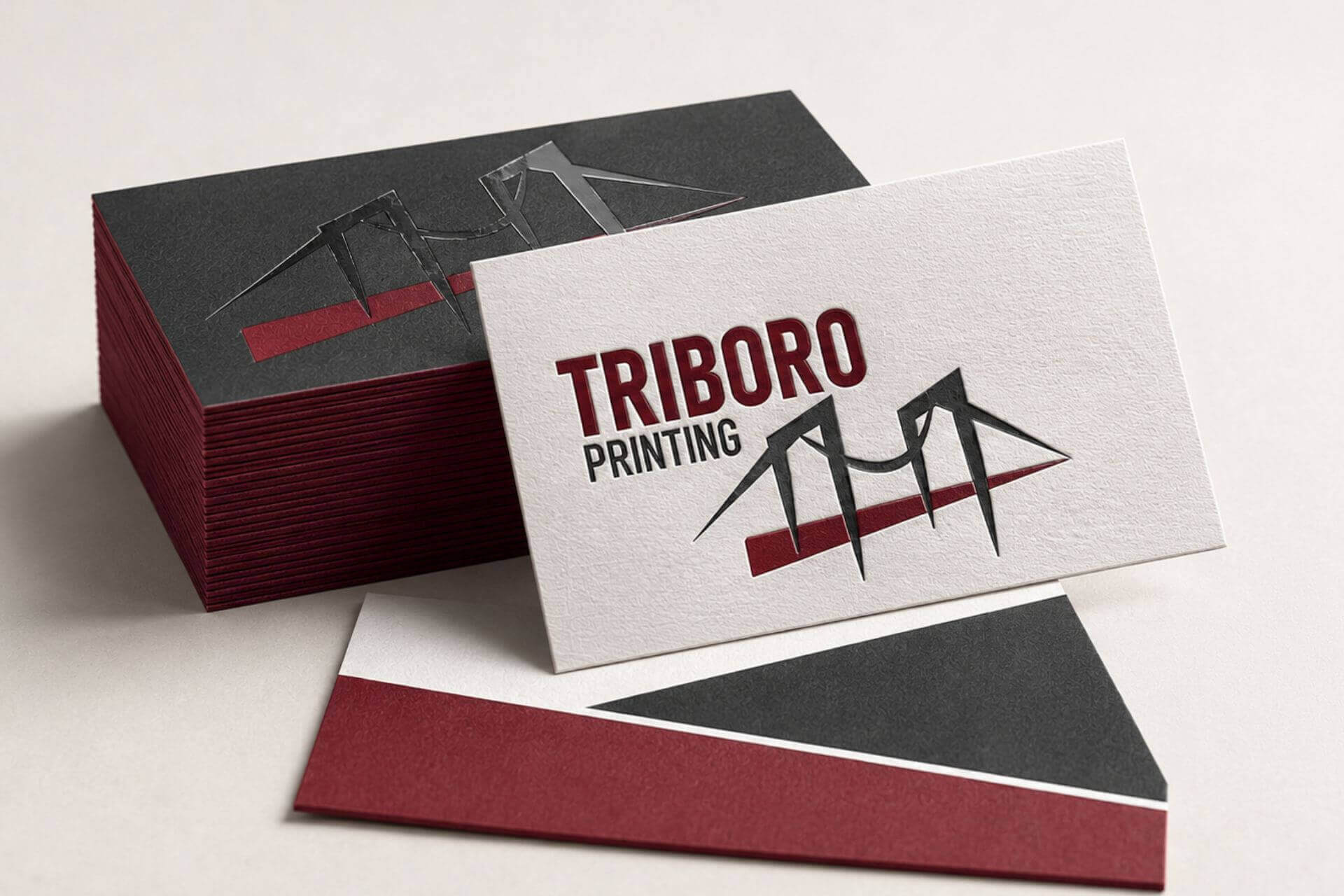
Satin or silk finishes strike a middle ground, offering subtle sheen with reduced glare for elegant brochures or book covers. For luxury touches, consider soft-touch laminates that give a velvety texture, perfect for business cards that invite handling, or UV spot coating to highlight logos with a glossy pop against a matte background.
Types of Paper for Specific Projects
Matching paper type to your project’s needs ensures professional results. From everyday bond to textured linen, each serves distinct roles based on writability, durability, and visual appeal.

For Business Cards and Stationery
Opt for cover-weight linen or laid paper (80-100 lb) for a textured, professional feel that screams sophistication — think subtle fabric-like ridges for resumes or invitations. Uncoated options for business printing shine here for easy note-taking, while coated cardstock adds durability without bulk.
For Brochures and Marketing Materials
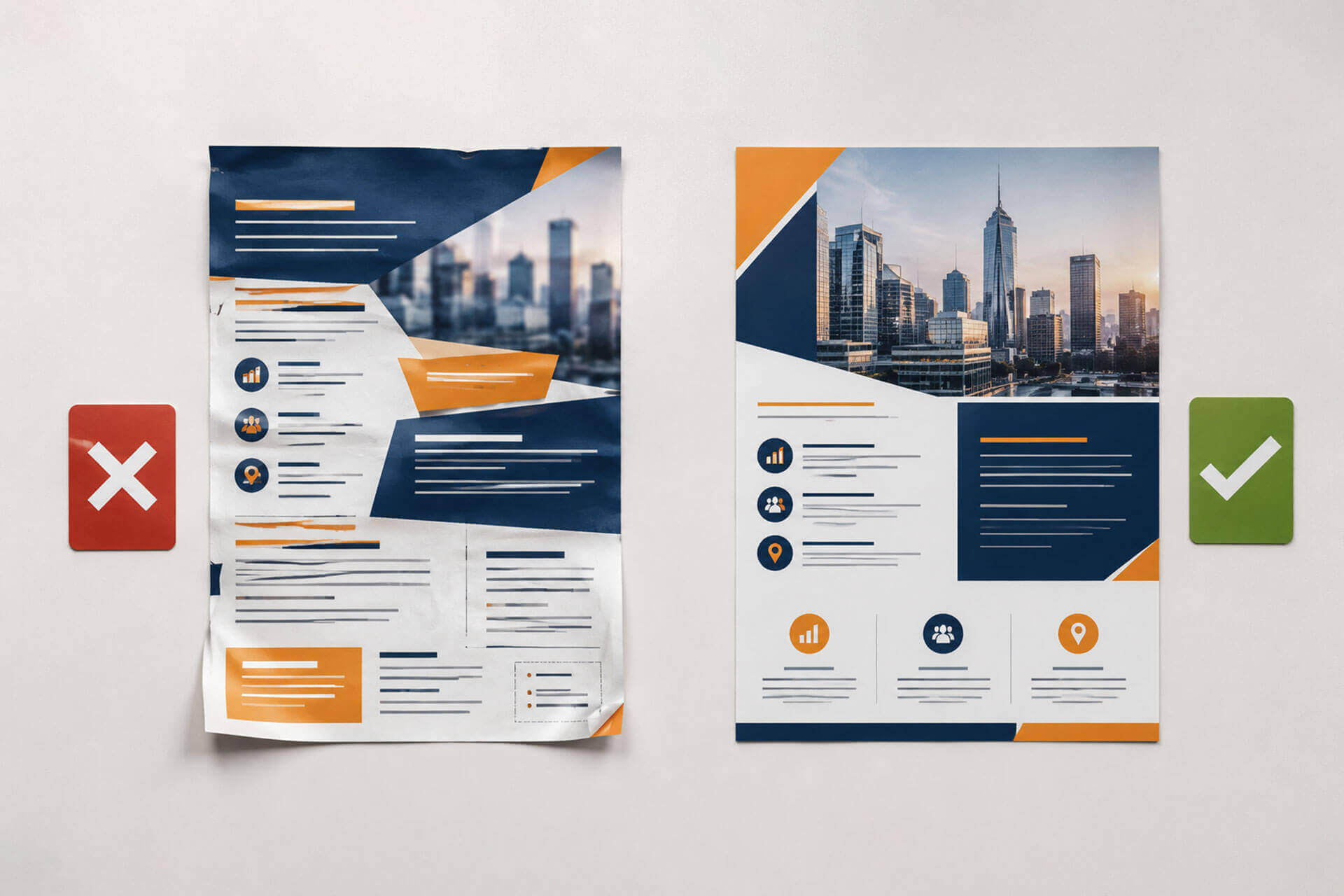
Coated glossy or satin text (80-100 lb) is king for vibrant images in brochures and flyers, ensuring colors stay sharp even after folding. For eco-conscious campaigns, recycled coated stock maintains quality while signaling sustainability.
For Books and Booklets
Lightweight uncoated or matte-coated text (60-80 lb) works best for interiors to minimize spine bulk, paired with heavier cover stock (100 lb+) for a protective, upscale exterior. This combo keeps pages turning smoothly while preventing bleed-through in multi-page designs.
Key Factors to Consider When Choosing Paper
Selecting the perfect paper isn’t one-size-fits-all — it’s about aligning specs with your goals. Here’s a quick checklist to guide your decision:
- Project type: Brochures need vibrant coated stock; stationery favors writable uncoated textures.
- Durability and handling: Heavyweight for frequent use (e.g., menus); lightweight for mailers to cut postage costs.
- Budget: Thinner papers save money on ink and production; premium finishes add cost but wow factor.
- Aesthetic and readability: Gloss for visuals, matte for text; test samples to feel the vibe.
- Sustainability: Look for FSC-certified or recycled options to appeal to green audiences without sacrificing quality.
Sustainable and Specialty Paper Options
In today’s eco-aware market, sustainable papers like recycled or FSC-certified stocks are gaining traction, offering up to 100% post-consumer content without compromising print quality. For unique projects, explore synthetics (waterproof polyester for outdoor signs) or metallics (shimmery foil-like effects for invitations). These choices not only innovate but also align with branding that values ethics and creativity.

FAQ
Coated paper features a clay layer that makes ink sit on top for sharper, more vibrant prints, ideal for image-heavy projects like magazines. Uncoated paper absorbs ink naturally, resulting in a softer look that’s better for text and writing, such as on letterheads. Coated options reduce glare variations with finishes like gloss or matte, while uncoated provides a tactile, organic feel. Ultimately, choose coated for visual impact and uncoated for functionality in handwritten notes.
Start by assessing your project’s needs: lightweight (50-80 gsm) for high-page-count items like books to keep them slim and affordable. Medium weights (100-150 gsm) suit brochures for balanced opacity and foldability without bulk. For sturdy pieces like business cards, go heavyweight (200+ gsm or 12+ pt) to ensure they hold up to handling. Always consider mailing costs — thicker paper hikes postage — and request samples to test real-world performance.
Glossy paper enhances color saturation and detail, making it a top pick for photo-heavy flyers or catalogs where vibrancy counts. However, it can reflect light, causing readability issues in bright settings, so matte might suit educational materials better. Satin offers a compromise with subtle shine minus the glare for versatile photo prints. Test prints on both to see what flatters your images and audience context.
Recycled paper, made from post-consumer waste, reduces deforestation while maintaining decent print quality for reports and flyers. FSC-certified stocks ensure sustainable sourcing from managed forests, perfect for corporate branding that highlights ethics. Carbon-balanced papers offset emissions, adding a green halo to marketing materials without extra cost. These options perform well in most printers but may have slightly dull colors compared to virgin stock — pair with matte finishes for best results.
Coated paper, especially glossy, resists most pens due to its slick surface, leading to smudging or poor adhesion. Matte-coated varieties fare better with gel or fine-tip pens, but always test first to avoid frustration on items like notepads. For heavy writing needs, switch to uncoated stock that’s absorbent and forgiving. If sticking with coated, opt for erasable varieties or add a post-print varnish for subtle writability tweaks.